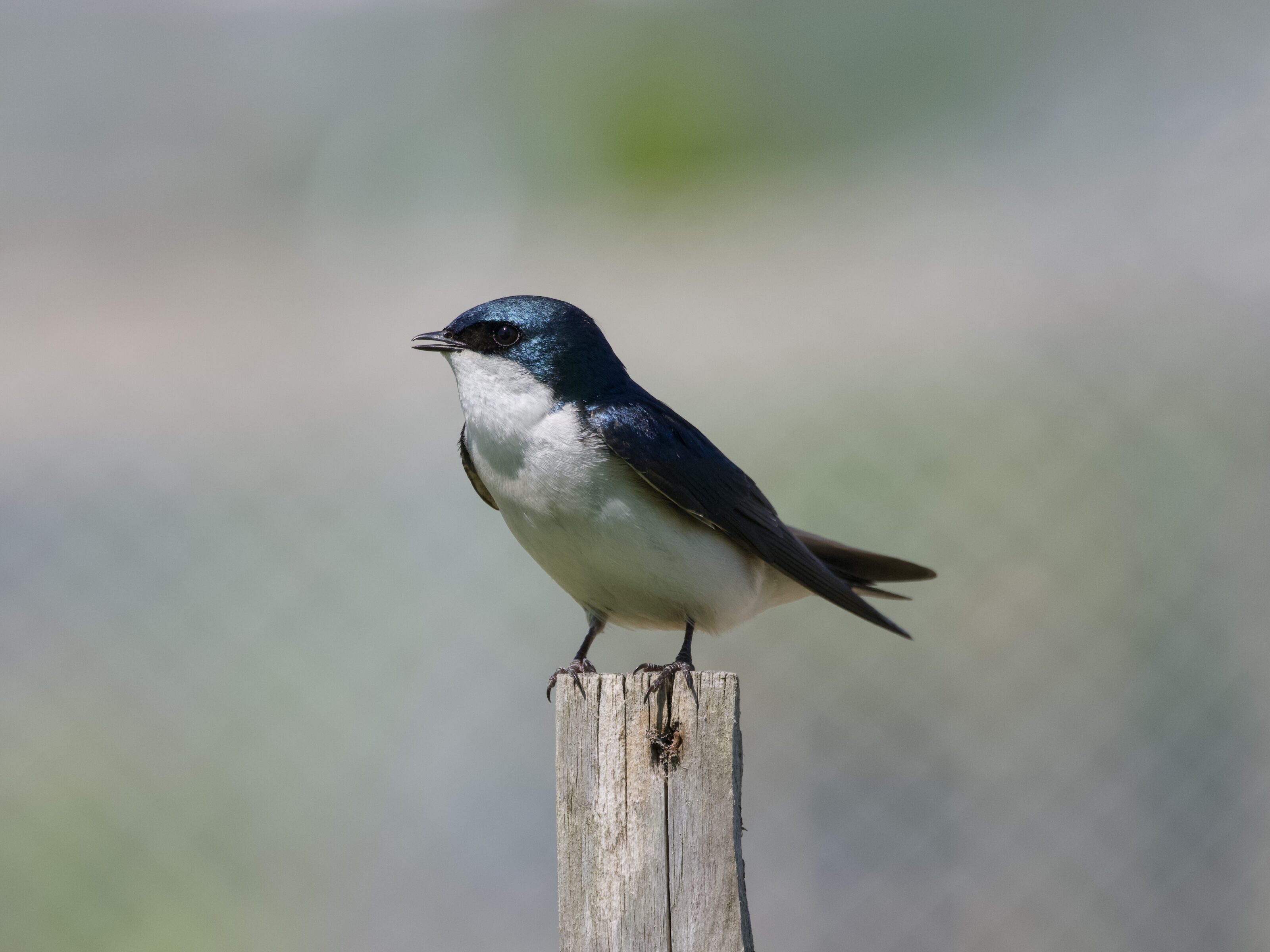
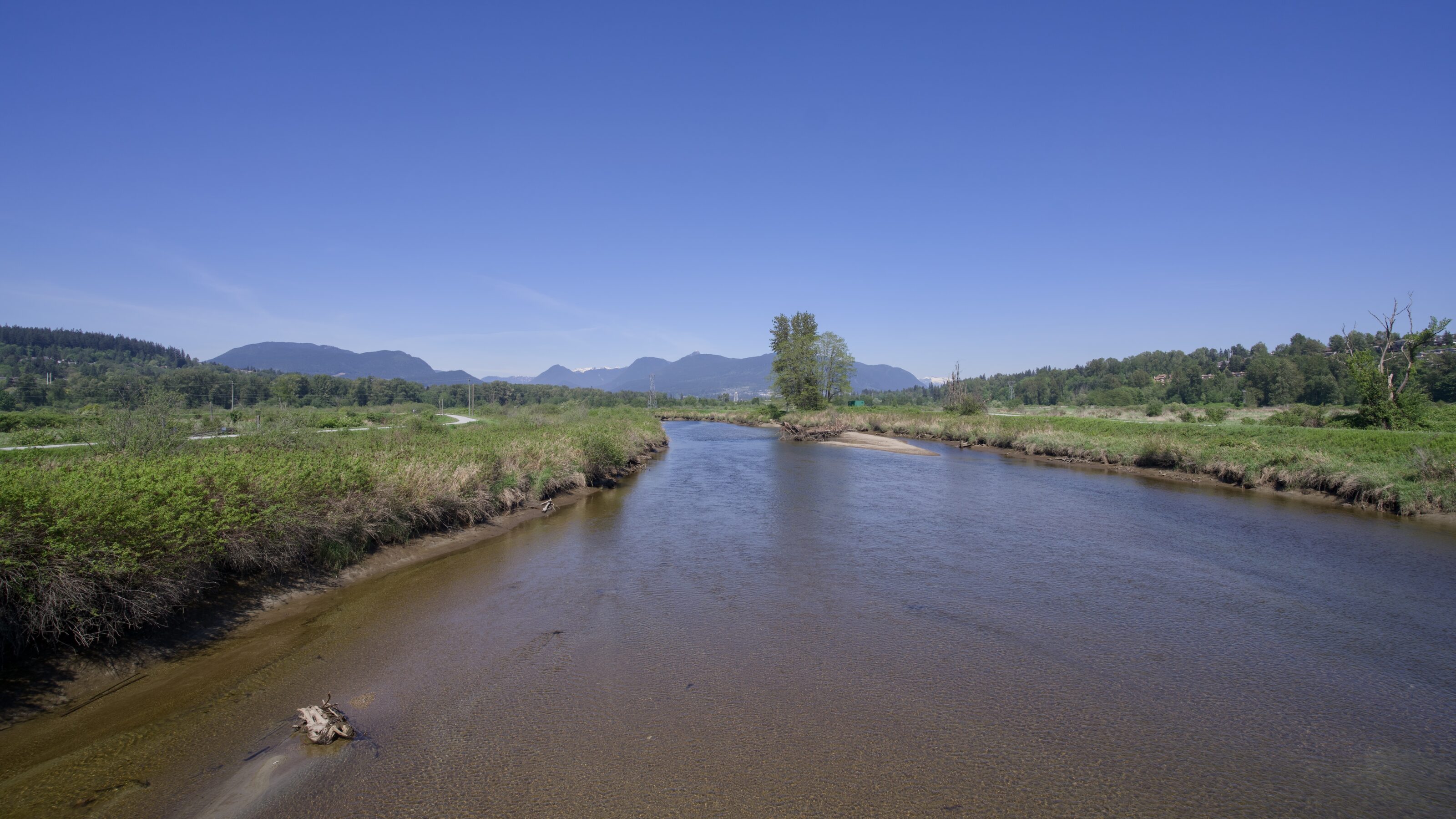
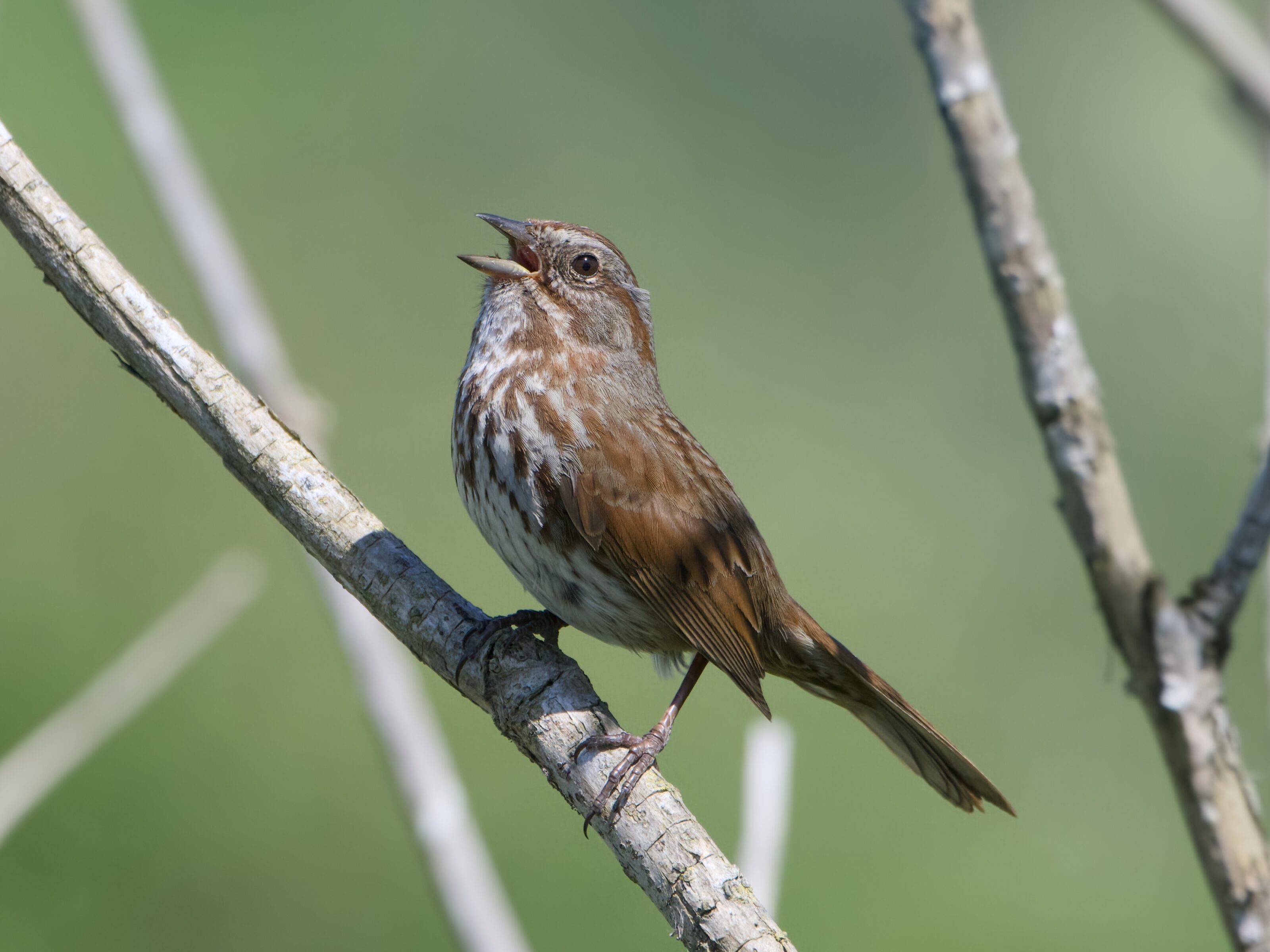
This being a Sunday, I went on a basic little outing with my birding bestie: a trek from the Avalon parking lot to Piper Spit and back, and then a wander through ƛ̓éxətəm.
Piper Spit, Burnaby Lake
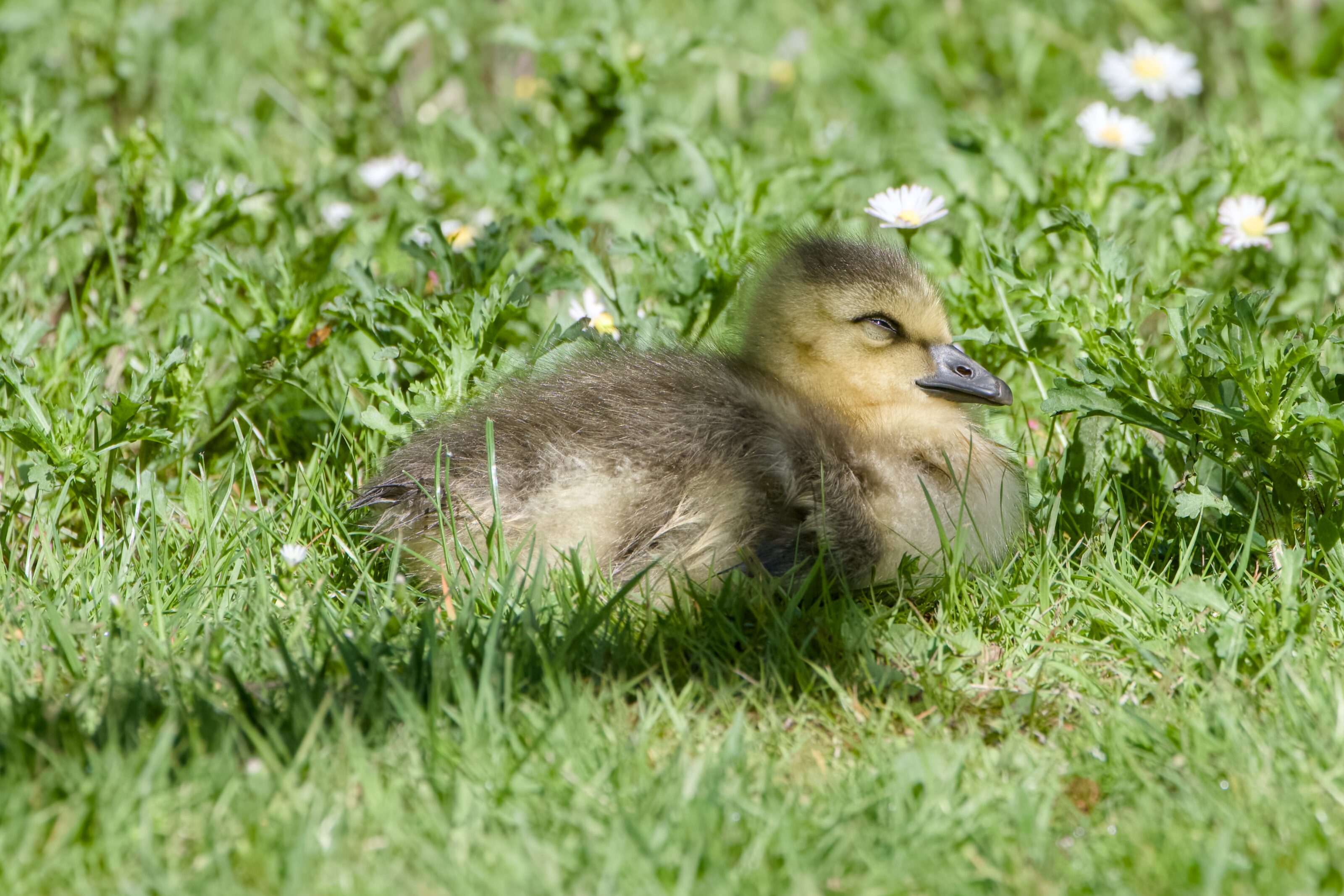
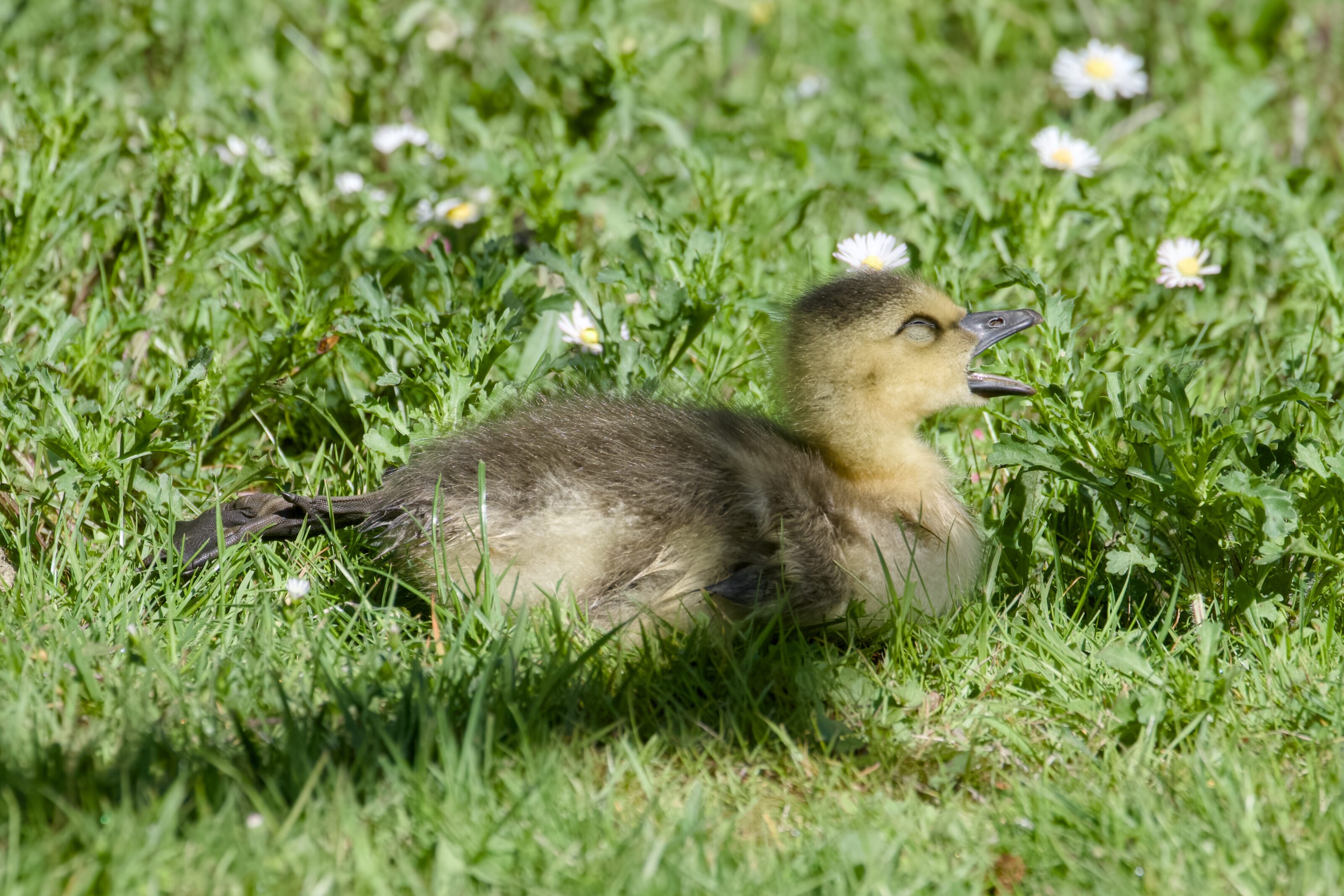
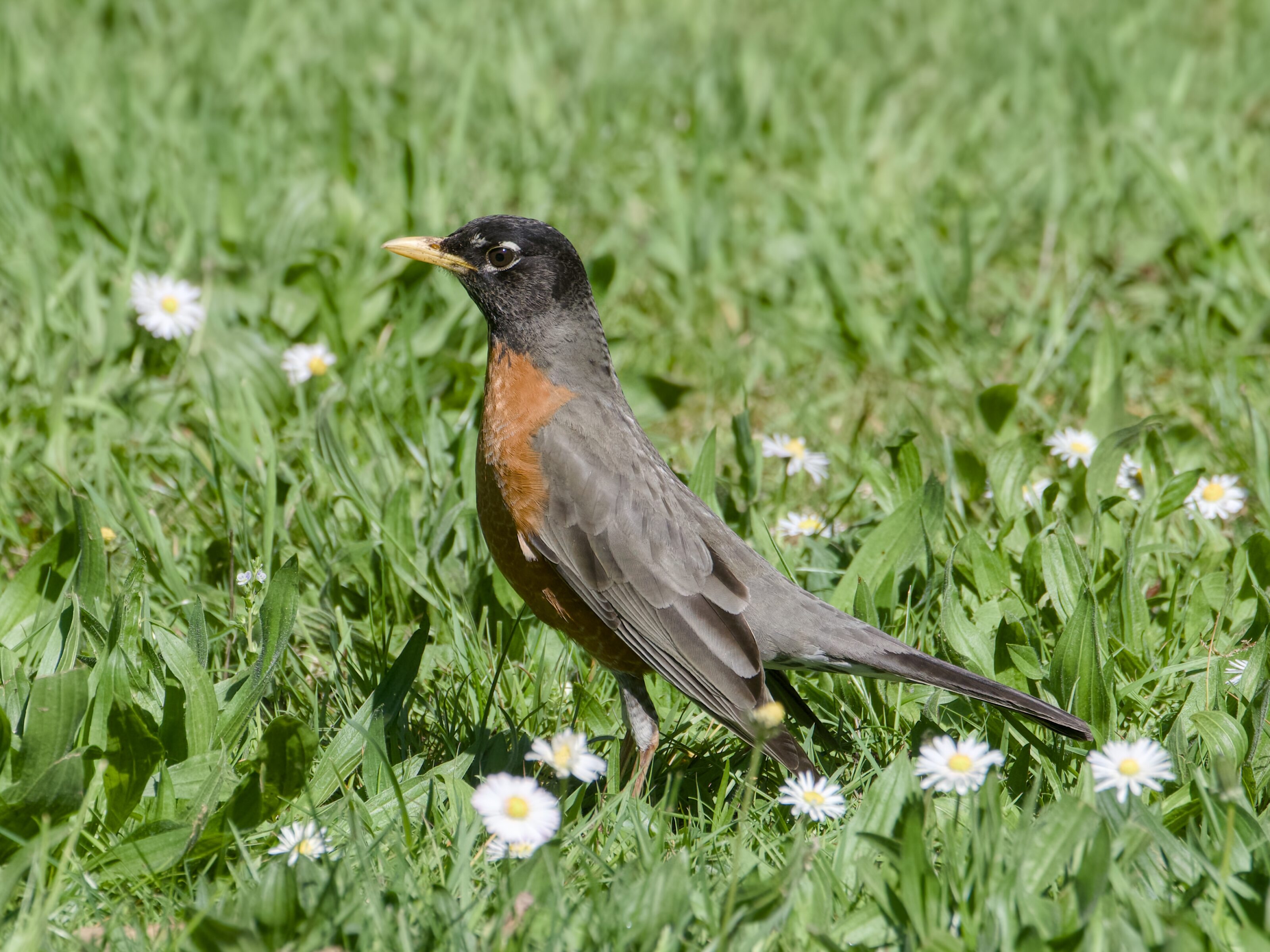
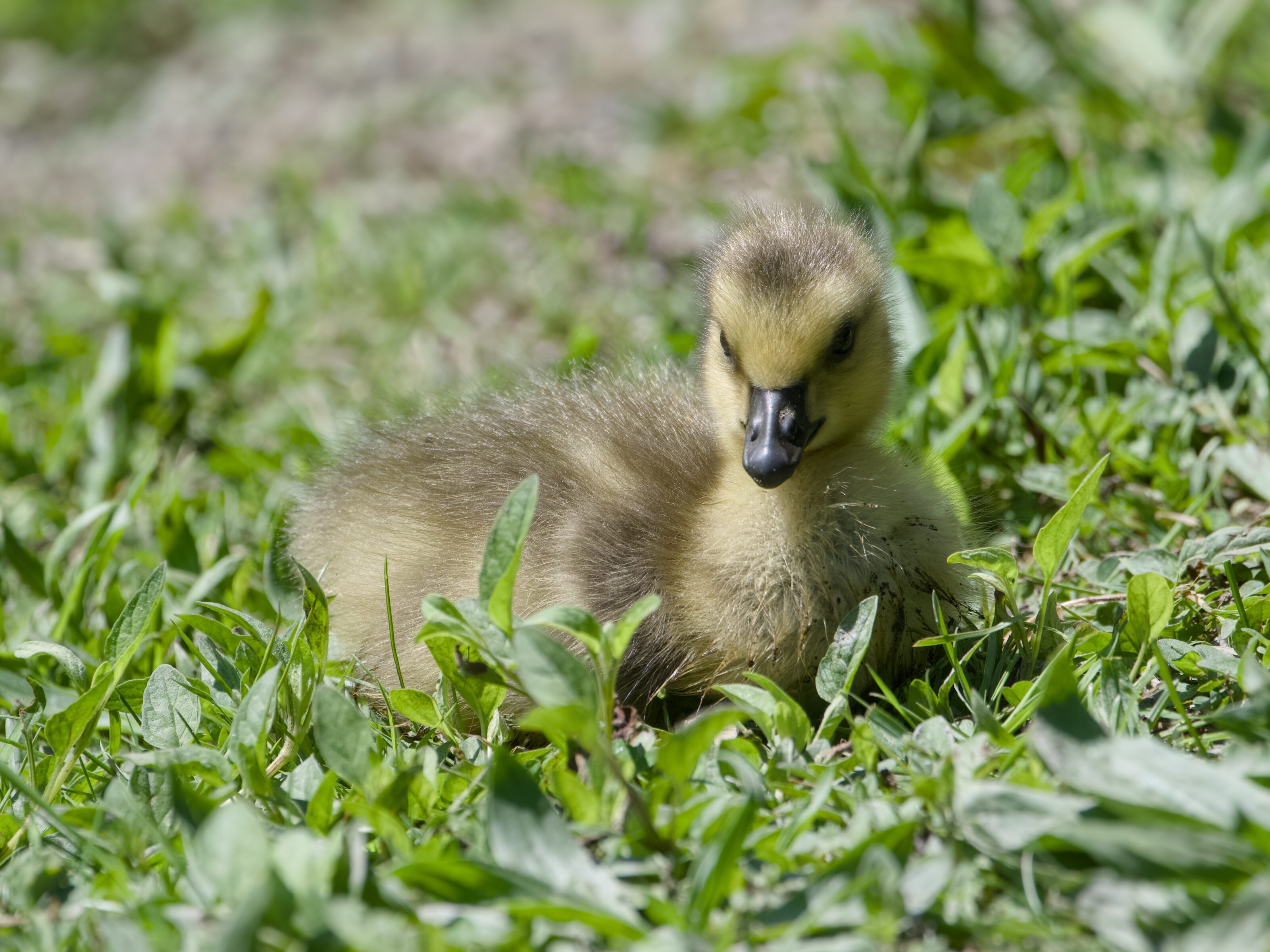
More goslings near the dam, including a sleepy one that I managed to capture mid-yawn! It’s a great spot for them, cool and grassy and near water. Also a great spot for robins, grassy and wormy.
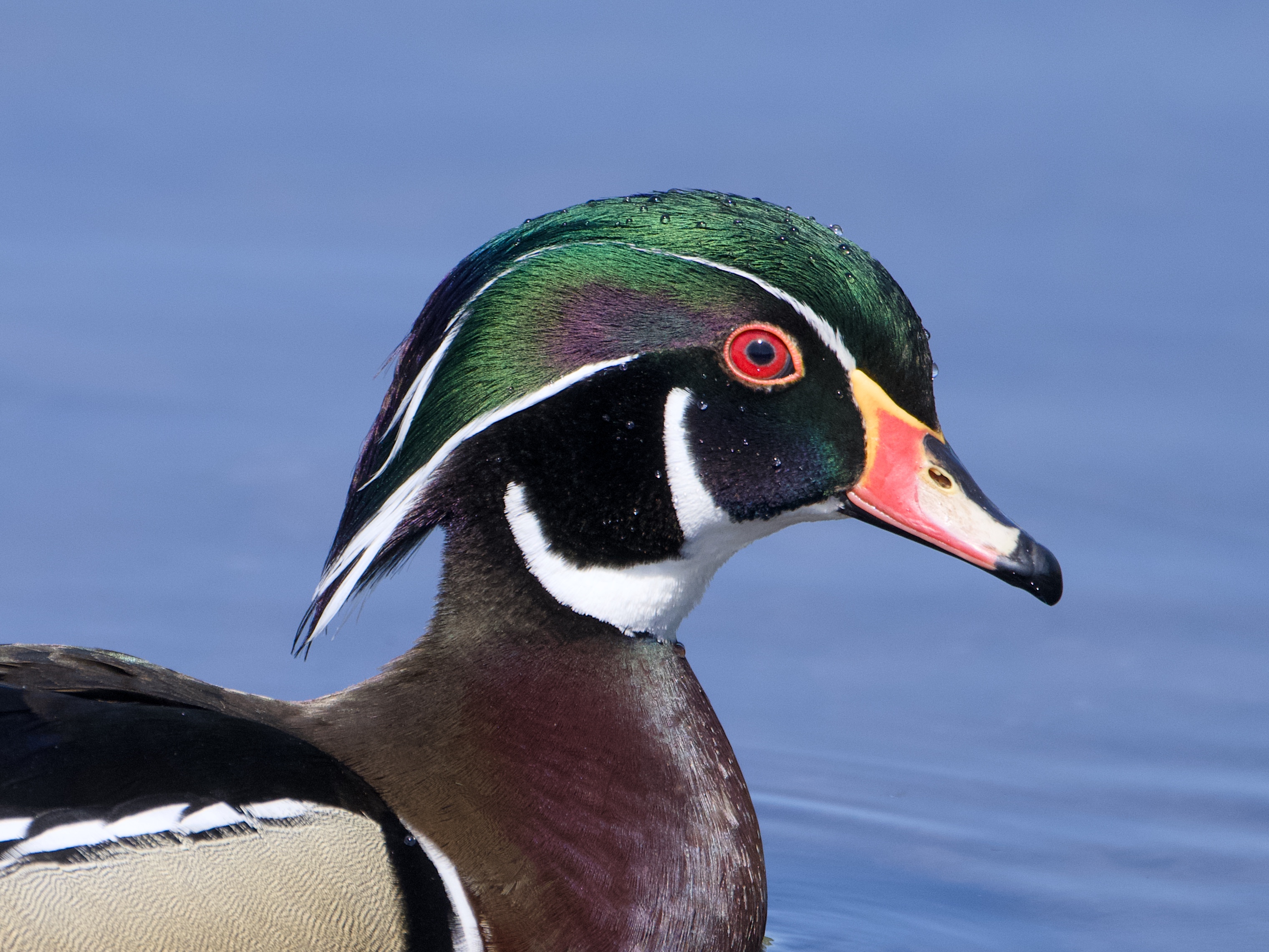
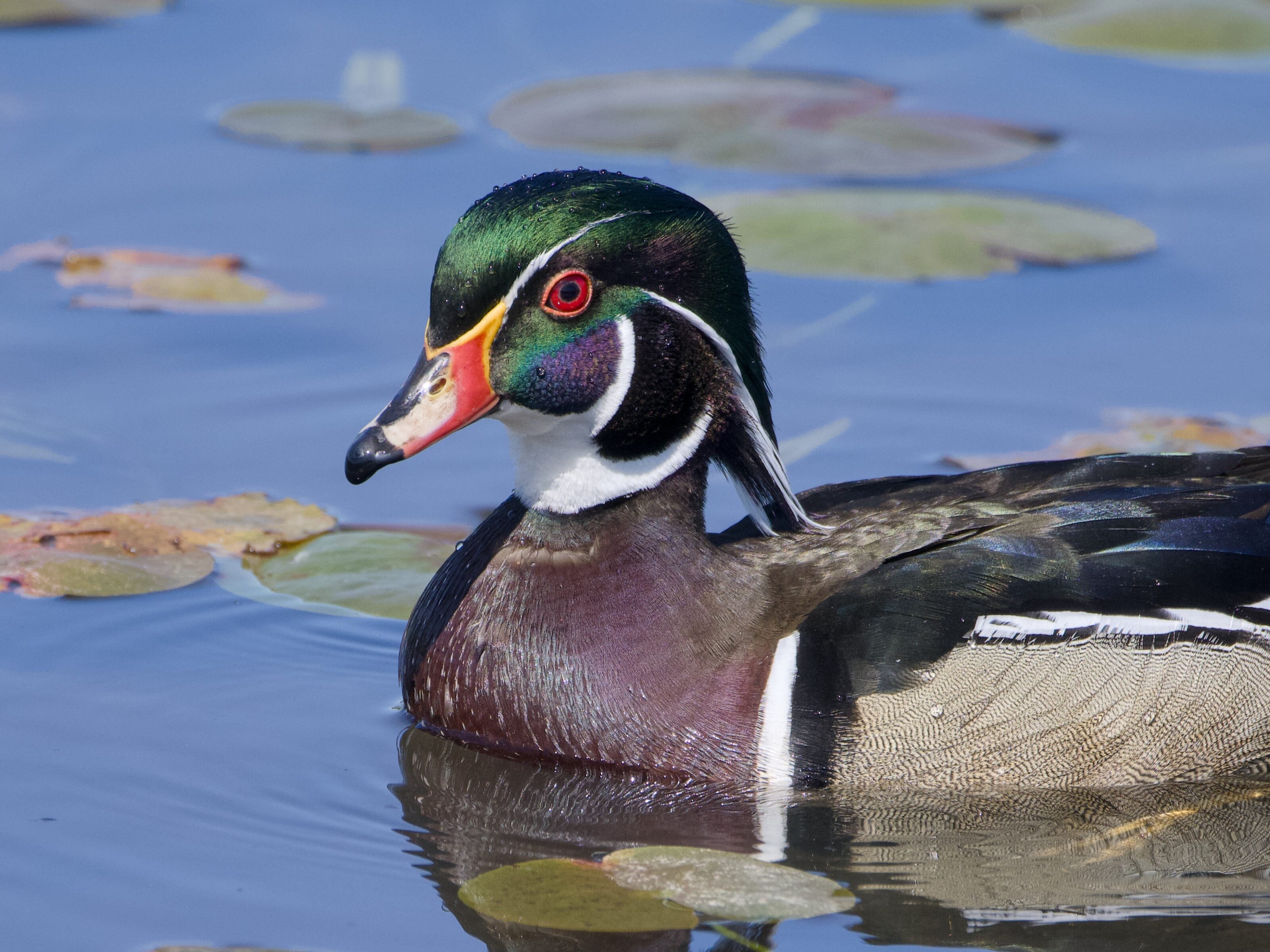
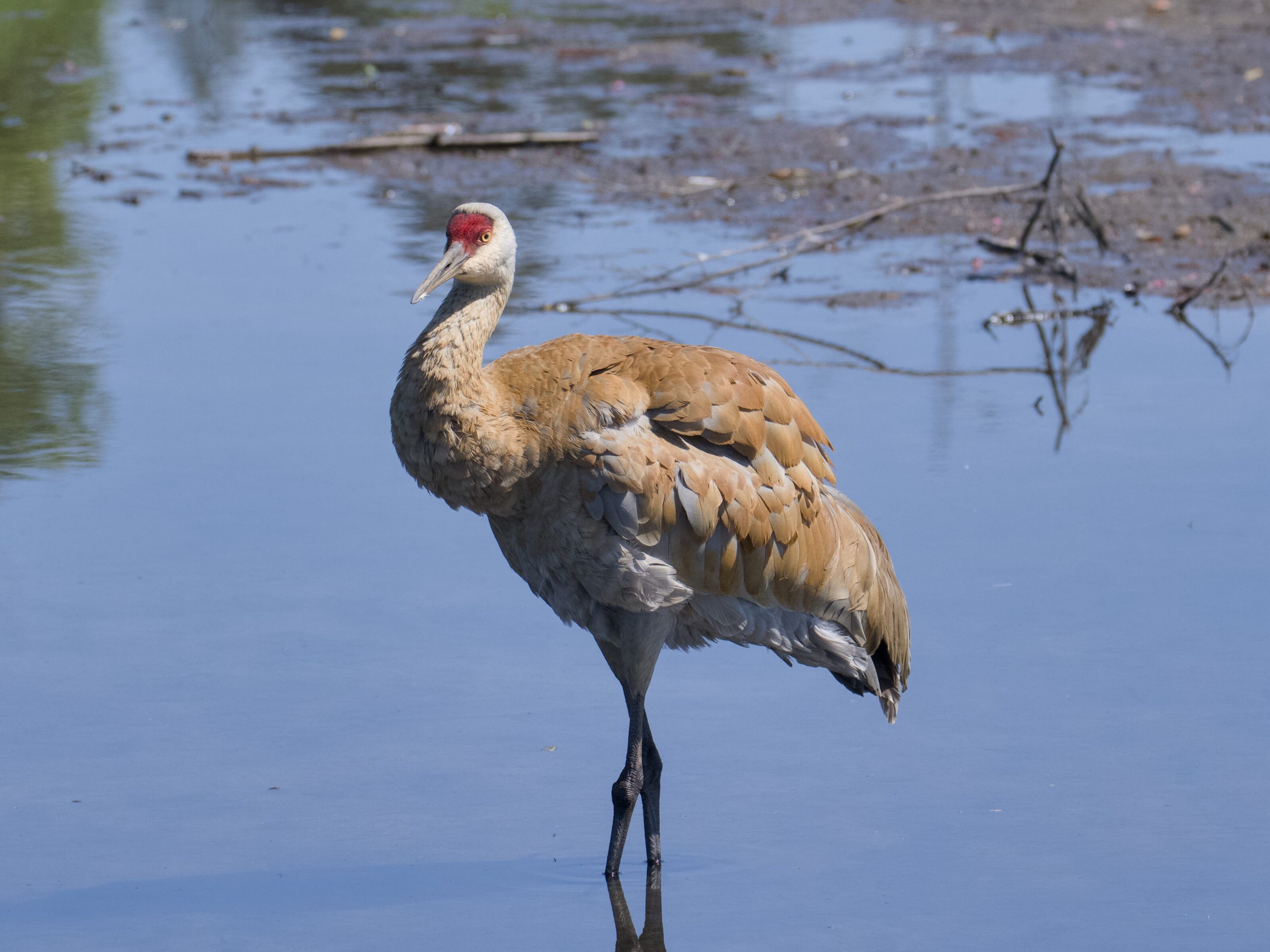
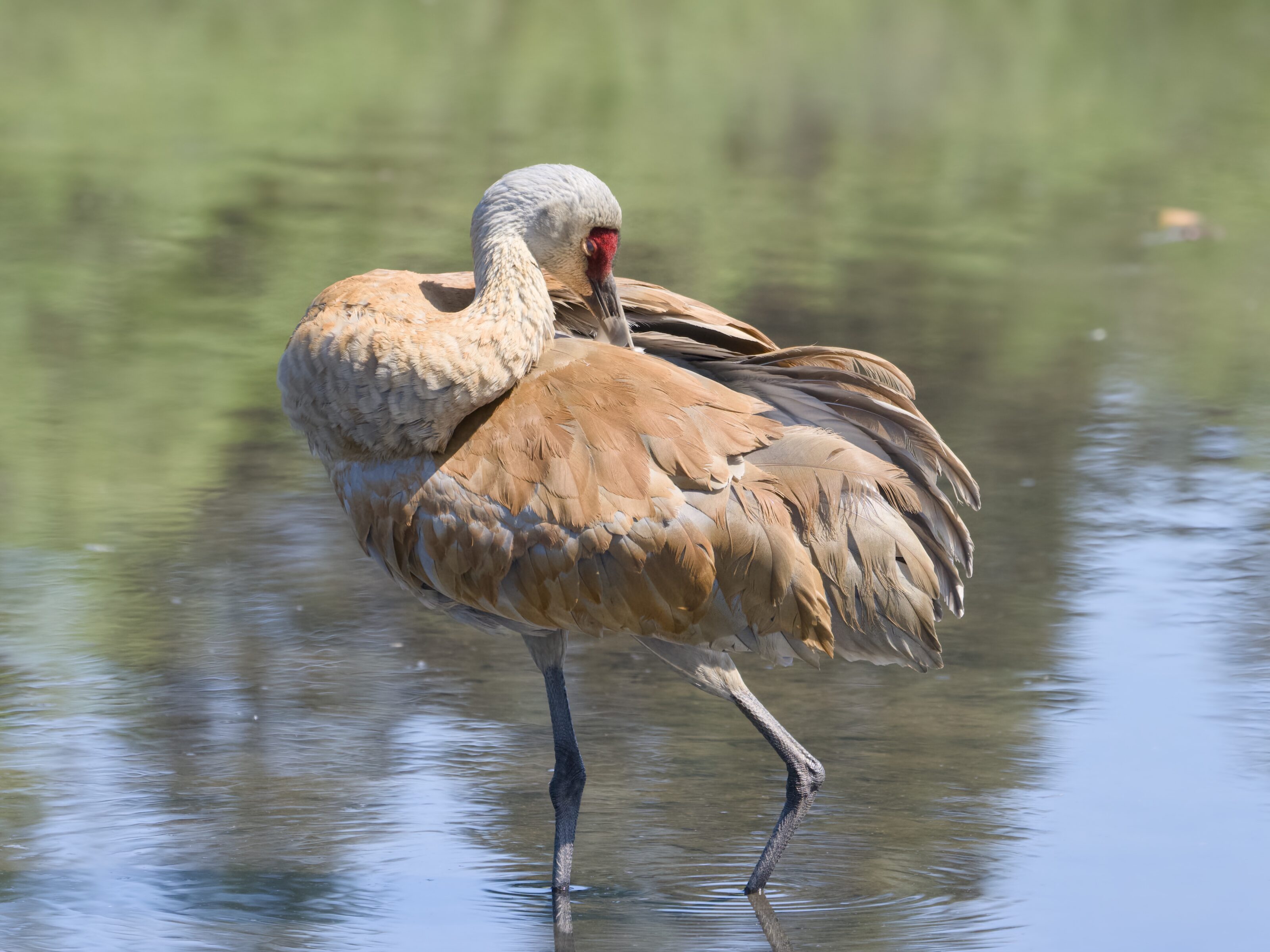
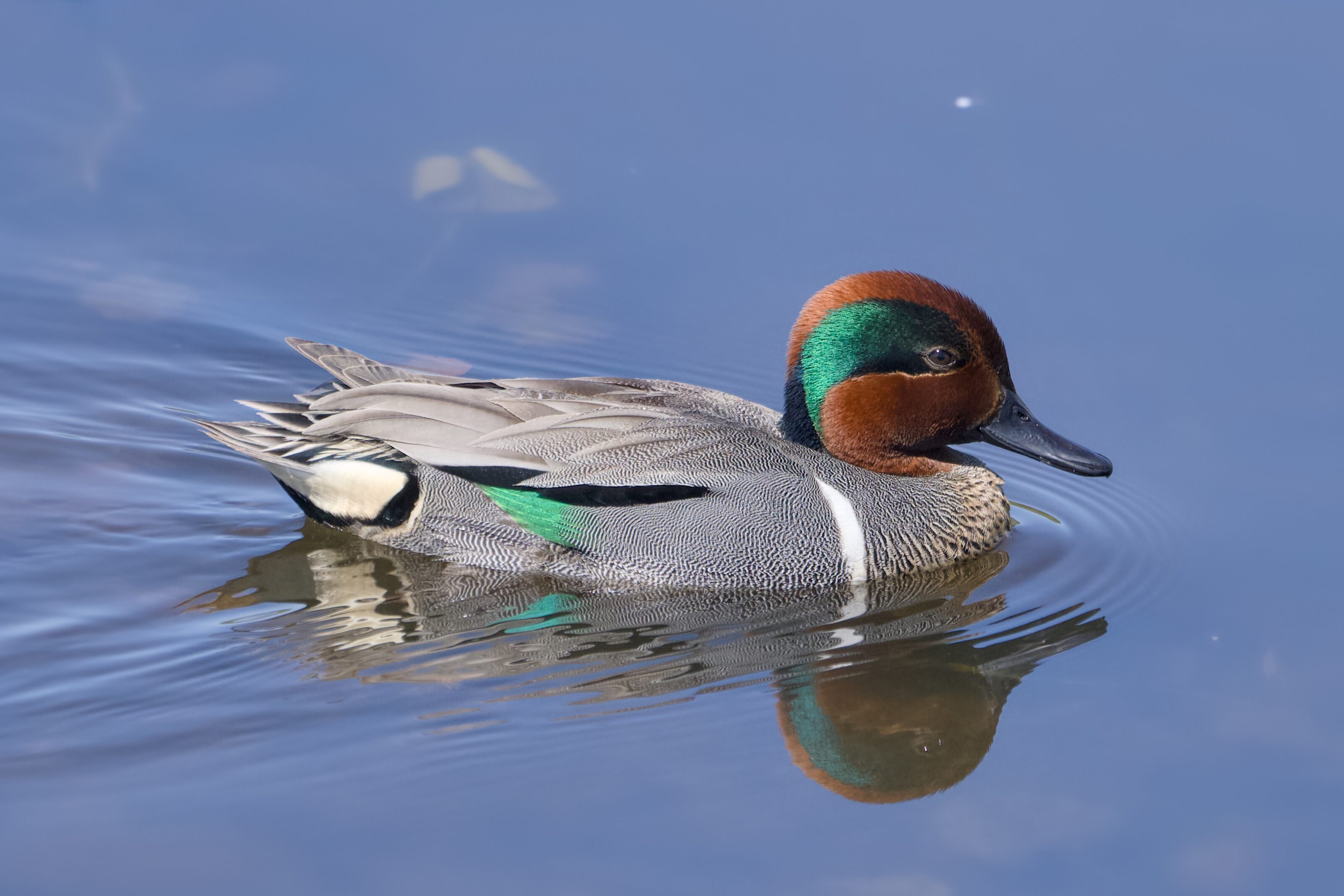
At the spit, the Wood Ducks and Teals were as shiny and photogenic as ever, but it was a Sandhill Crane that surprised us by flying in and preening the hell out. It had the characteristic orange-brown staining of a nesting adult, which is neat! No crane babies around here, but it’s a big lake, with plenty of spots to raise a crane family.
ƛ̓éxətəm (Tlahutum) Regional Park
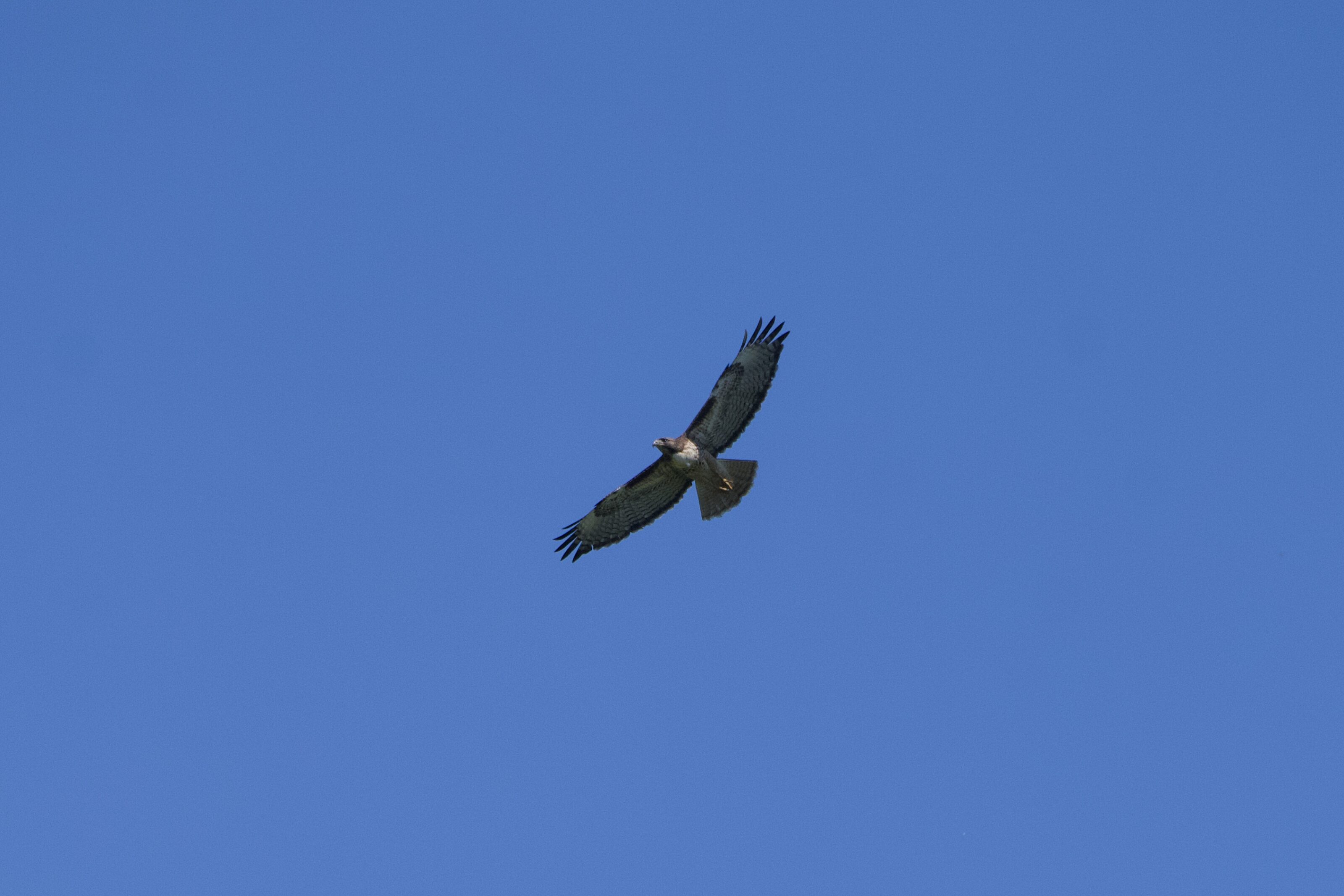
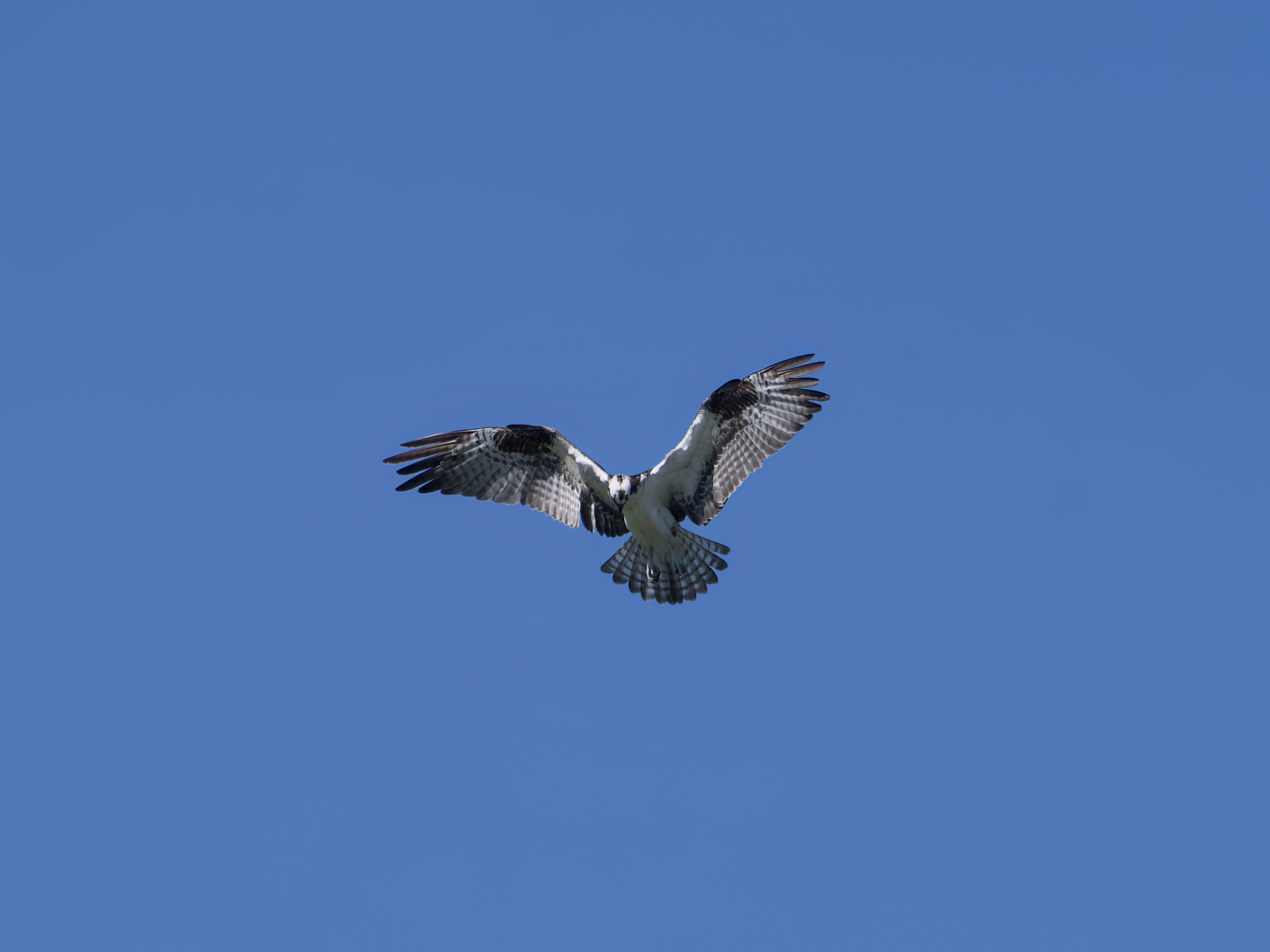
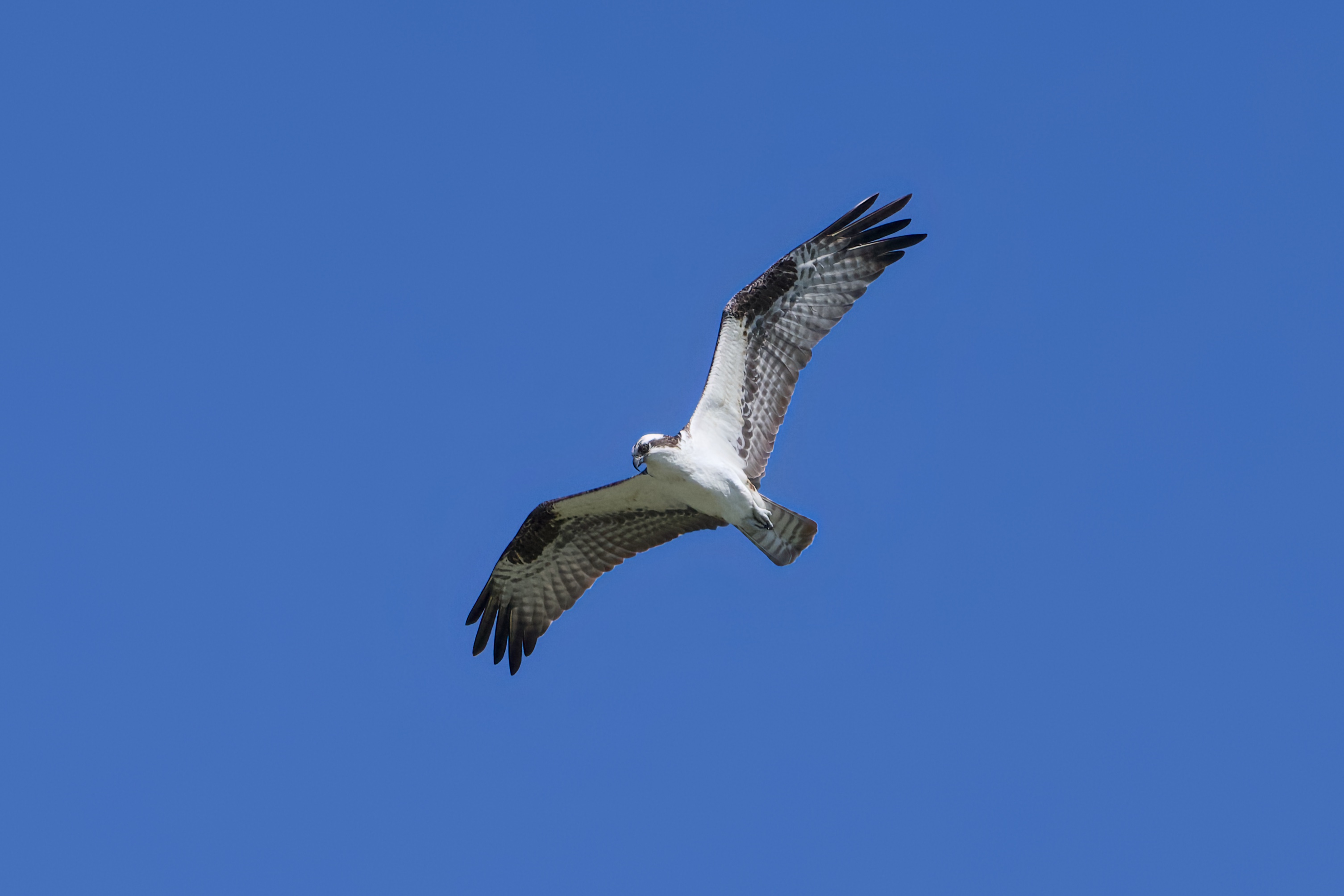
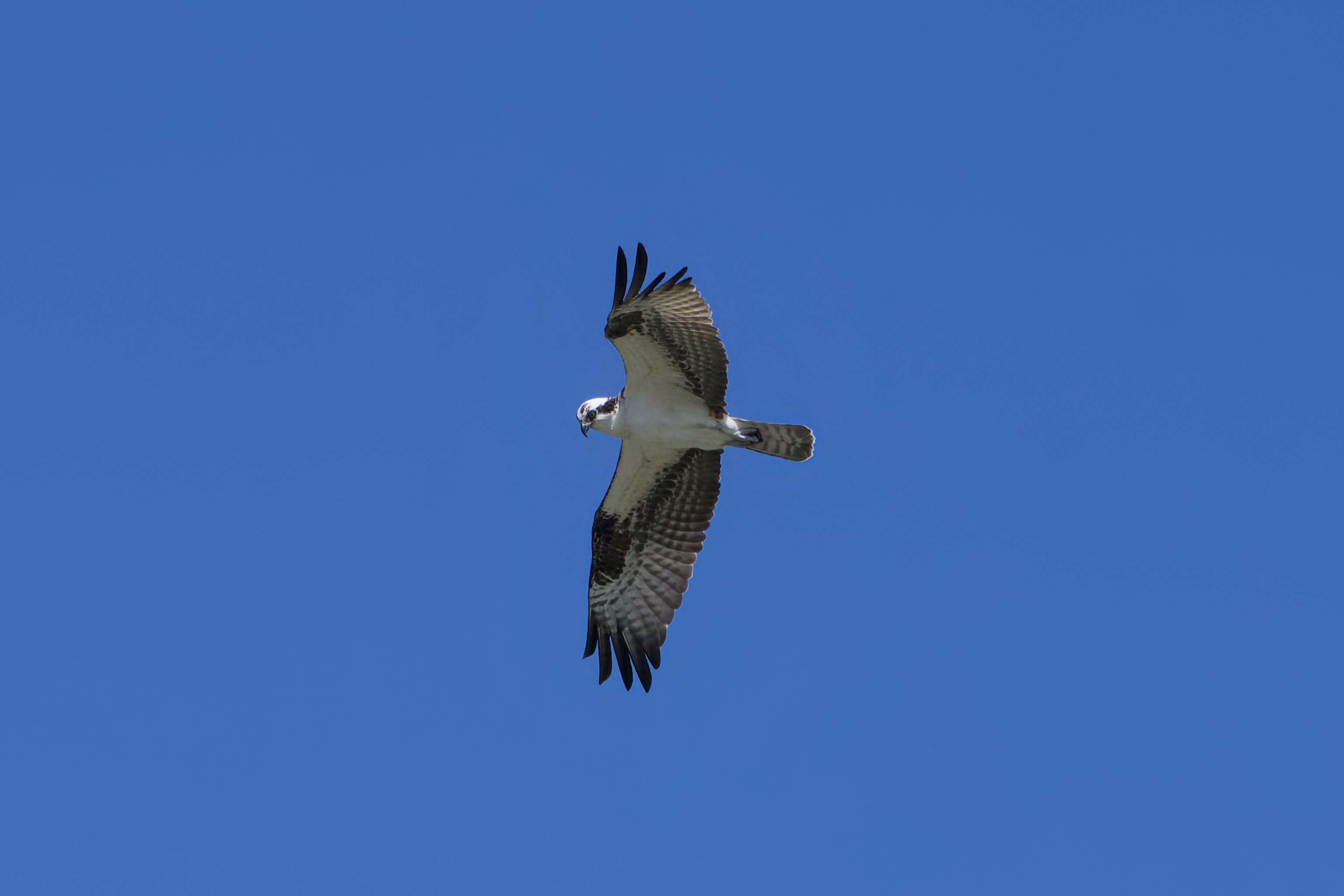
ƛ̓éxətəm blessed us with not one, but two raptors: a Red-tailed Hawk, light morph (I think). And an Osprey.
Now, this Osprey was doing a very odd thing I think I’d only seen once before: hovering in place, wings and tail all spread out, and scanning the ground. I understood the behaviour, and why you’d want to do it, I hadn’t thought about the mechanics involved until watching Tom Scott’s video on paragliding in Rutland.
Basically: to soar you want thermals. To get thermals, you need strong sunlight, not too much breeze, and open land with vegetation that’s not too green or wet. That heats the nearby air, and the air rises, because that’s what hot air does. Reading where thermals are is an art and a science in humans, and I’m sure a highly developed instinct in hawk / eagle-type raptors (including vultures).
I sort of knew about thermals but I hadn’t really thought about them before or made the connection with how raptors work. But raptors — like all of us — are physical creatures that live in the physical world and use it to their own ends as best they can. And so: thermals. It was the perfect day for them too, sunny and warm over a big ol’ open field.
I still can’t get over how they can even spot prey from way up there. And now I can’t stop thinking what the rest of their world is like. How must it feel to sit on a rising column of warm air, hovering in place or rising in big slow circles, feeling the breeze through your feathers and listening to the quiet symphony of the atmosphere? To understand the air around you not as a static thing, but a complex of three-dimensional currents and rivers, warm rising hills and cool sinking valleys? Birds are so wild.