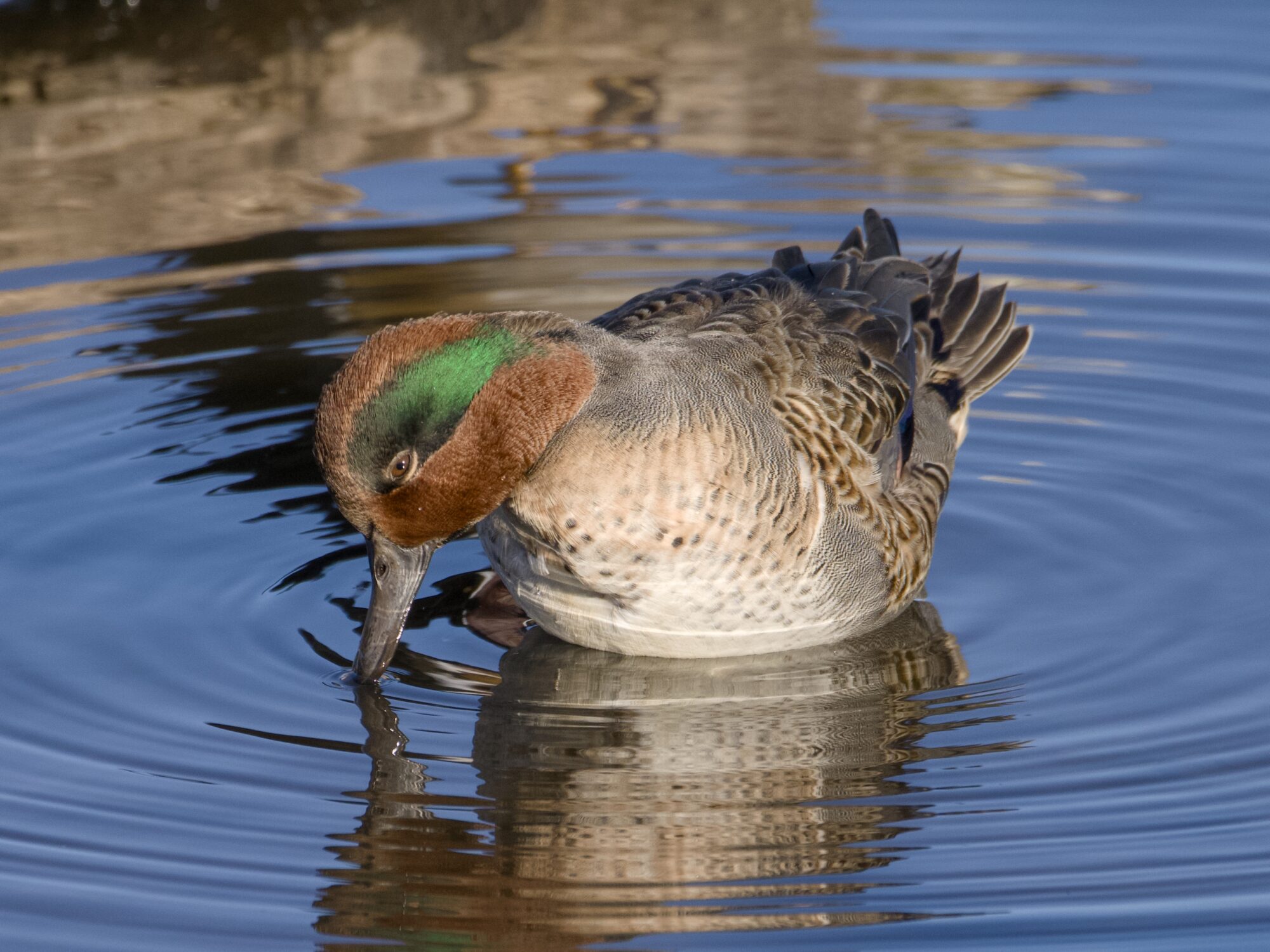
Reifel Bird Sanctuary
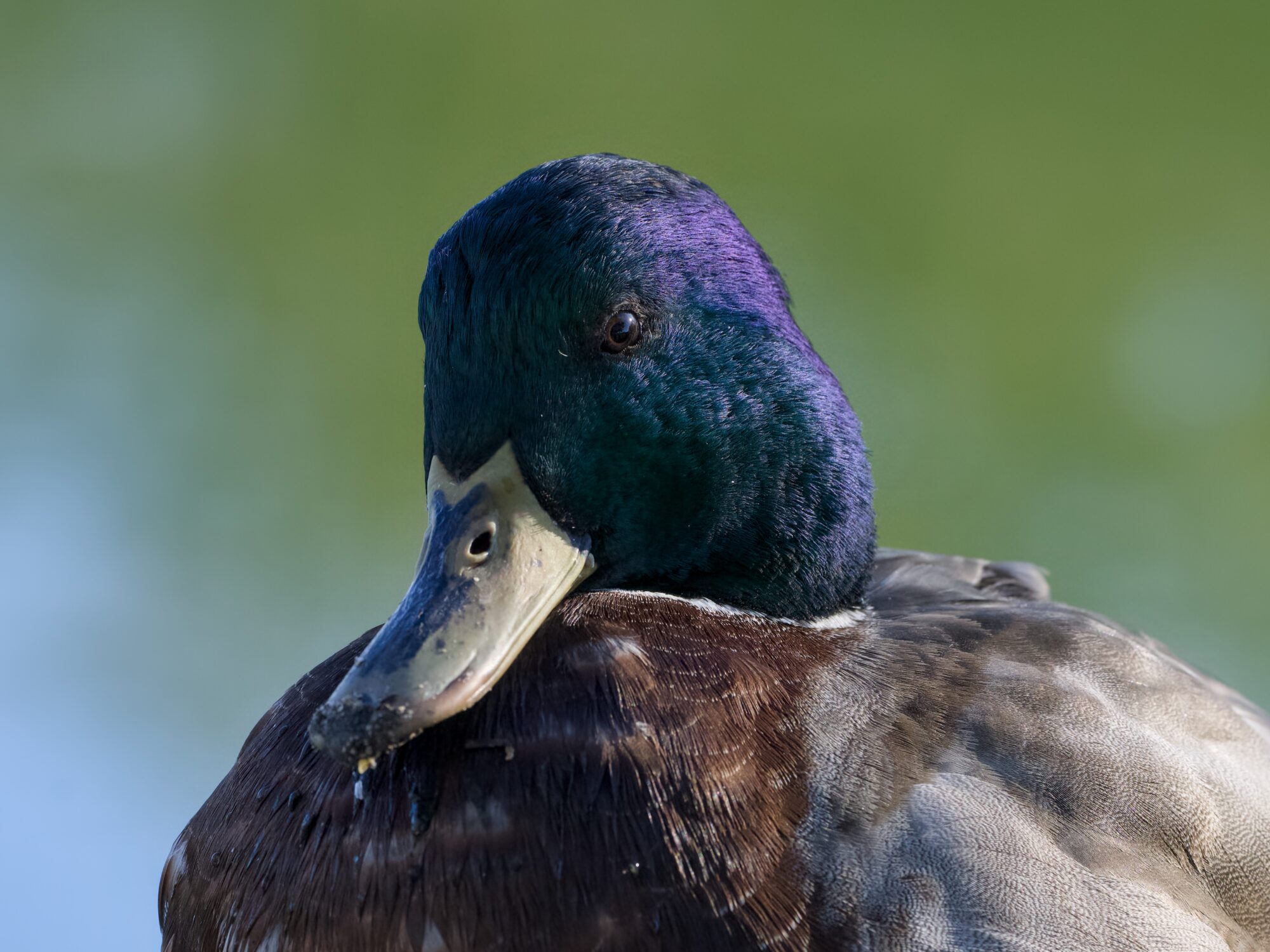
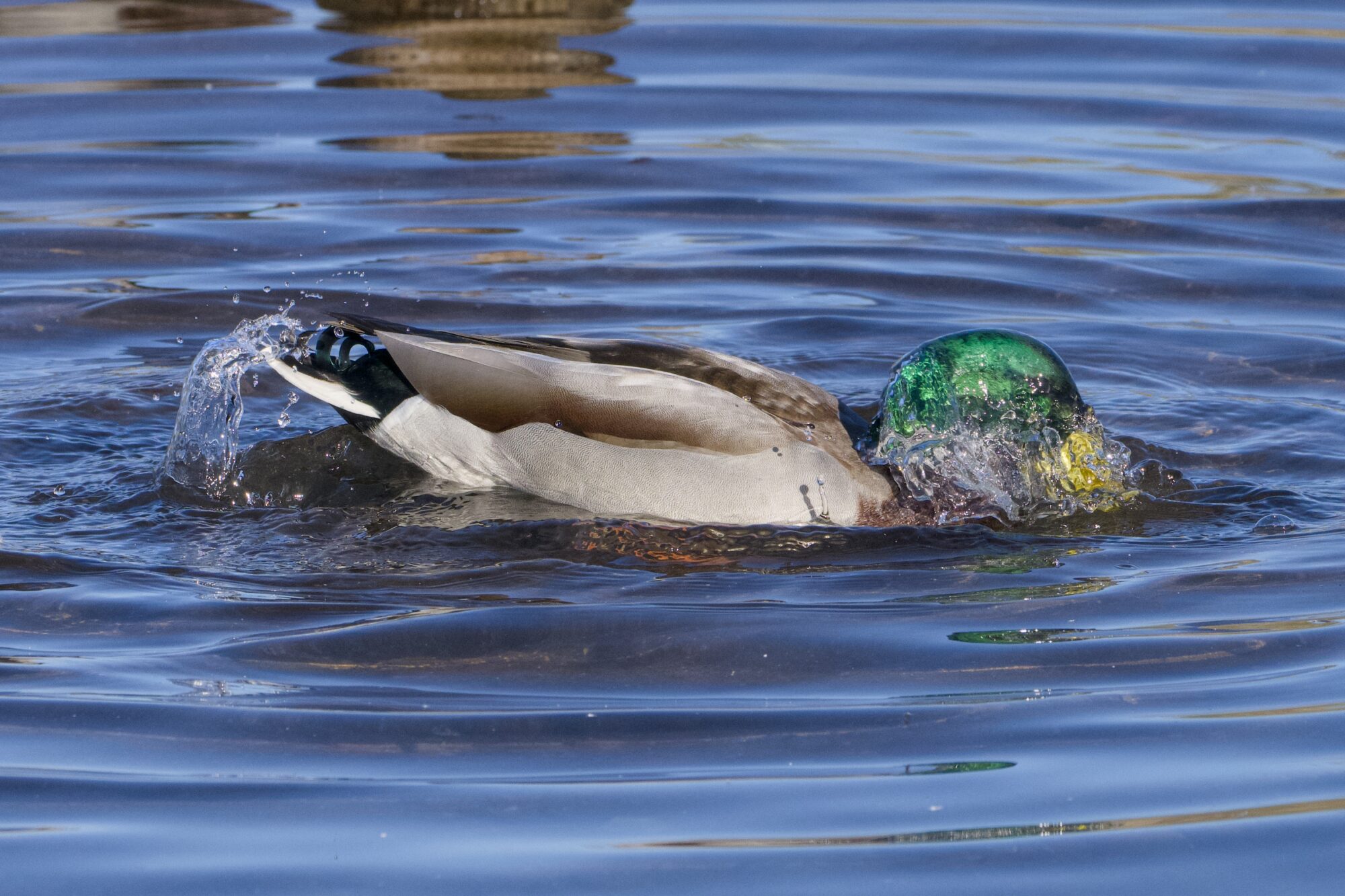
The London Slough lookout is a great place for Mallard glamour shots, but this one is very special: a Mallard drake at eye level, the low morning light hitting his head just right, all add up to… purplish iridescence? Neat!
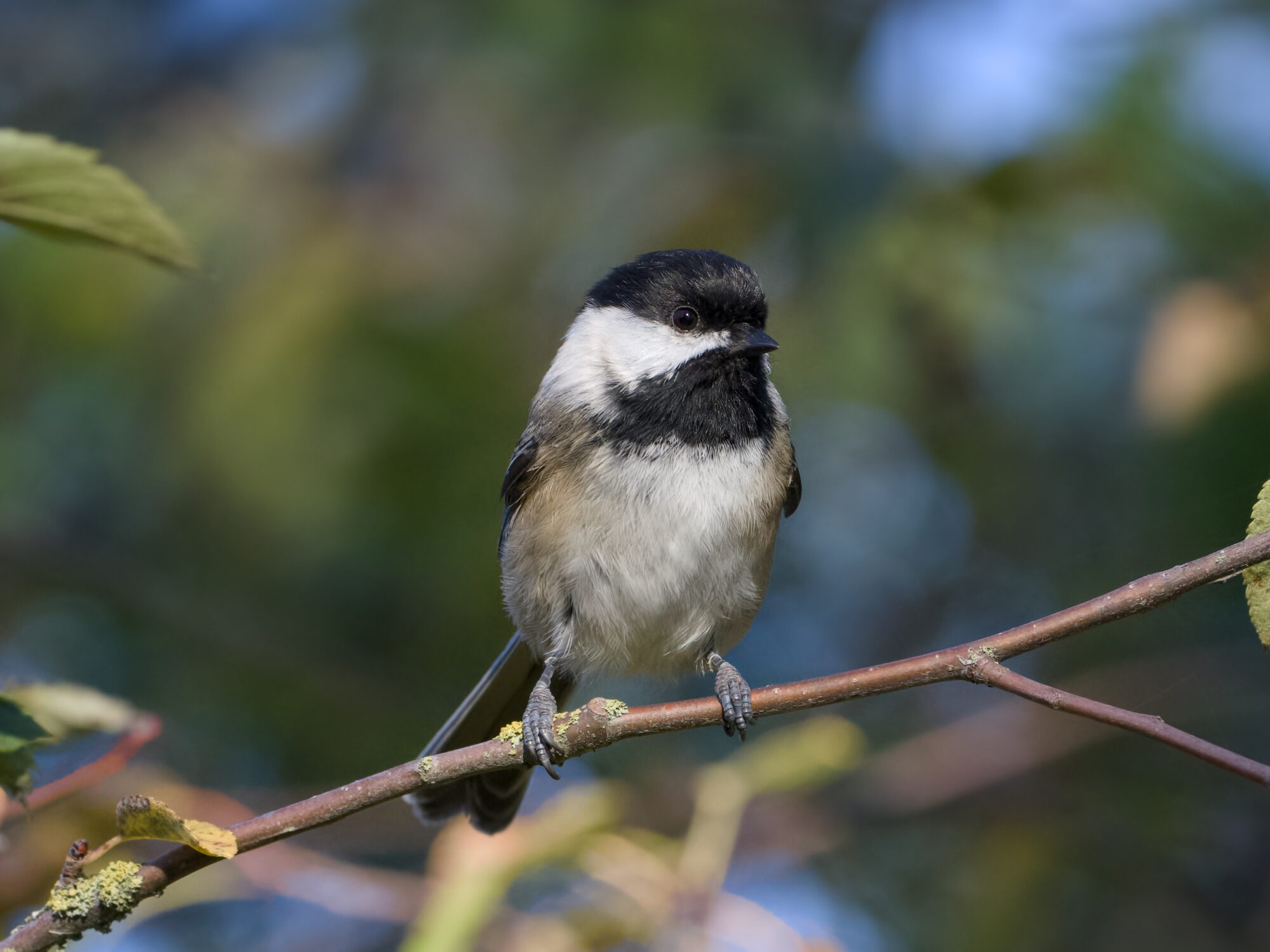
The Chickadee Empire is still going strong.
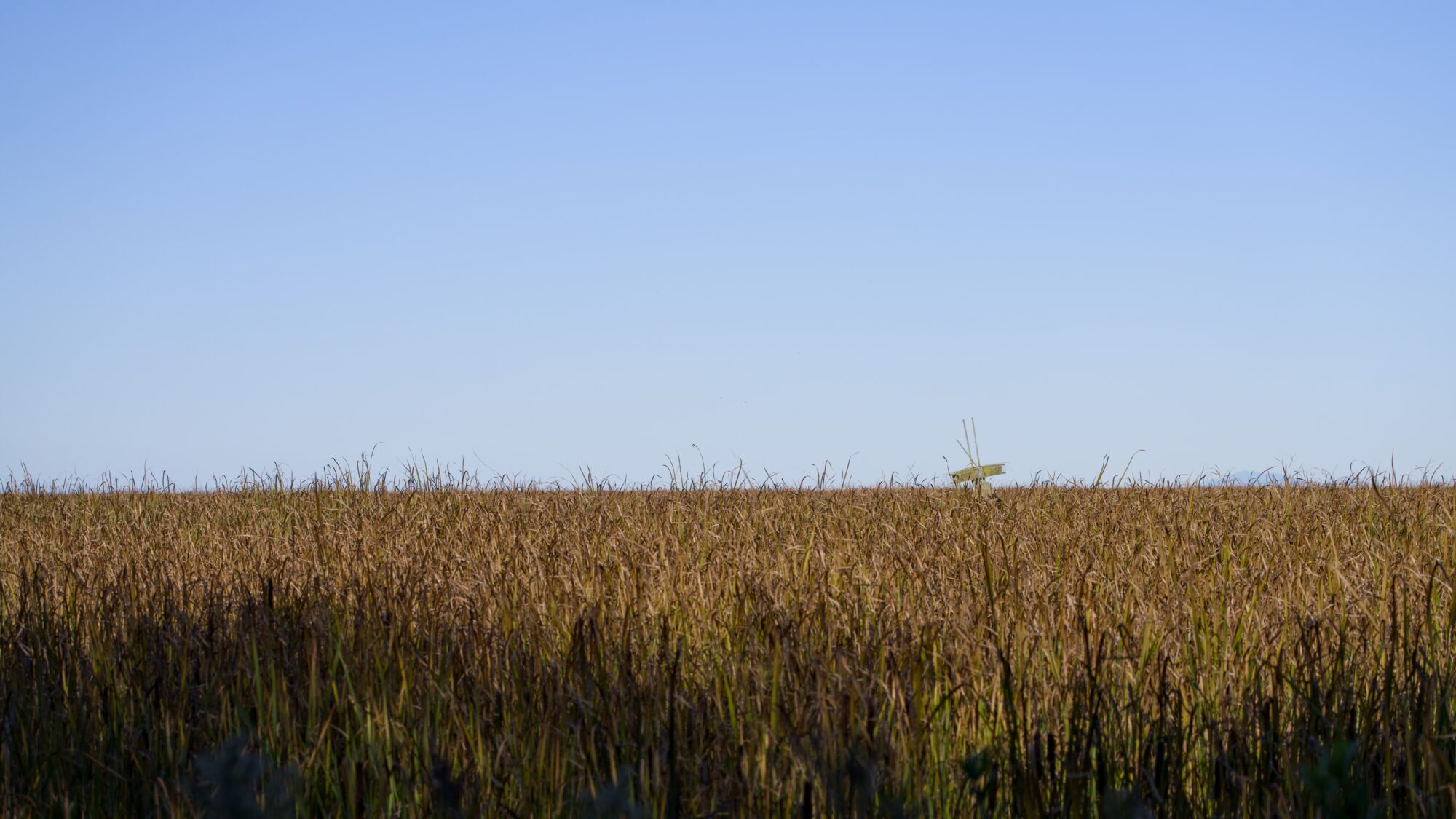
There’s rarely anything special to see from the blinds, just a lot of reedy marshy wilderness… but the Purple Martin condos are always fun to pick out, and for some reason I was drawn to this composition. Sometimes you just do what your muse tells you, am I right?
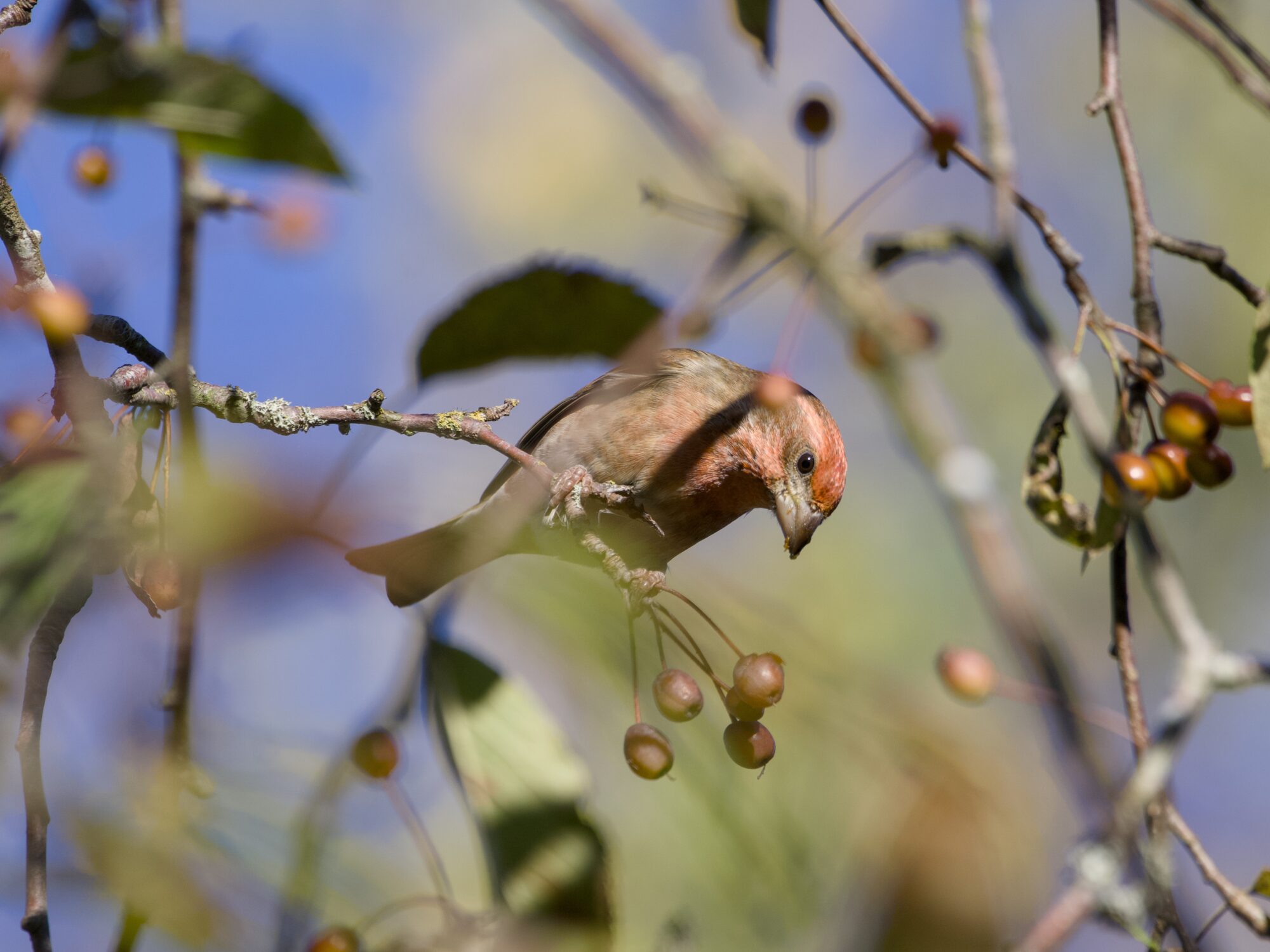
Hello Mister House Finch!
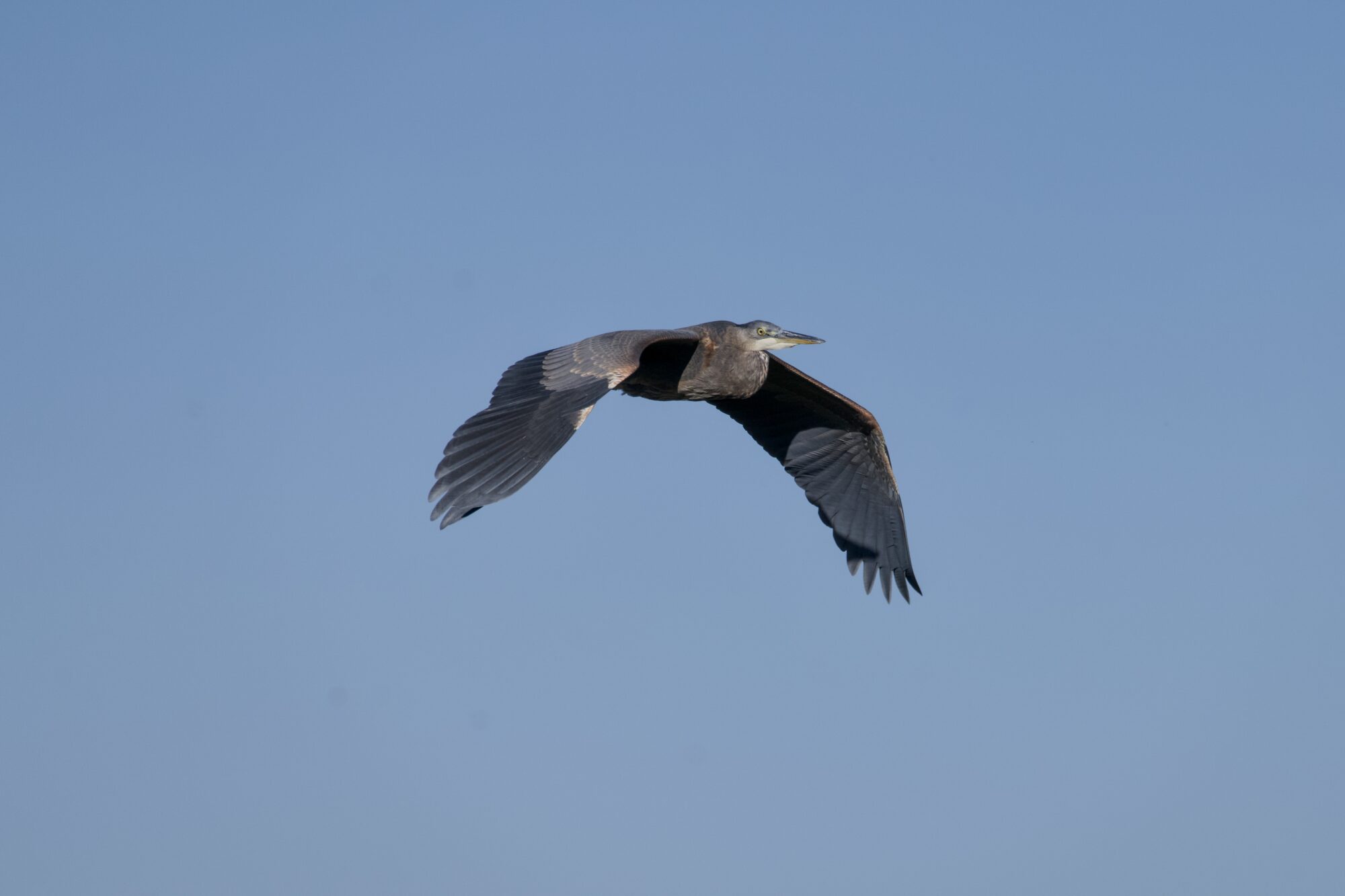
A Great Blue flying in from over the marshes.
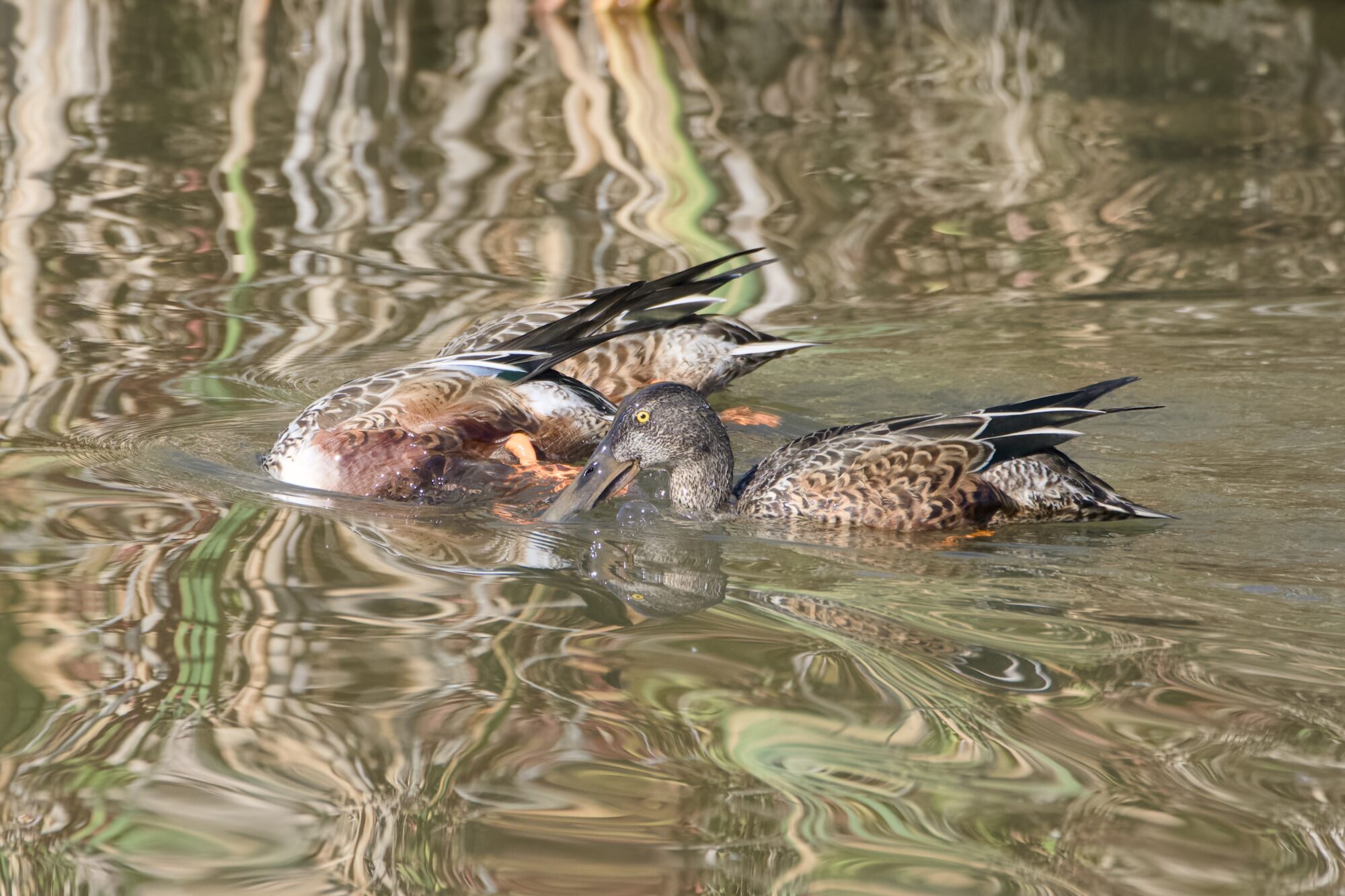
A gang of immature or eclipse Northern Shovelers, I think. The bright yellow eyes are distinctive no matter what the rest of their plumage says. I wish I could have gotten all of them with their heads up, but alas.
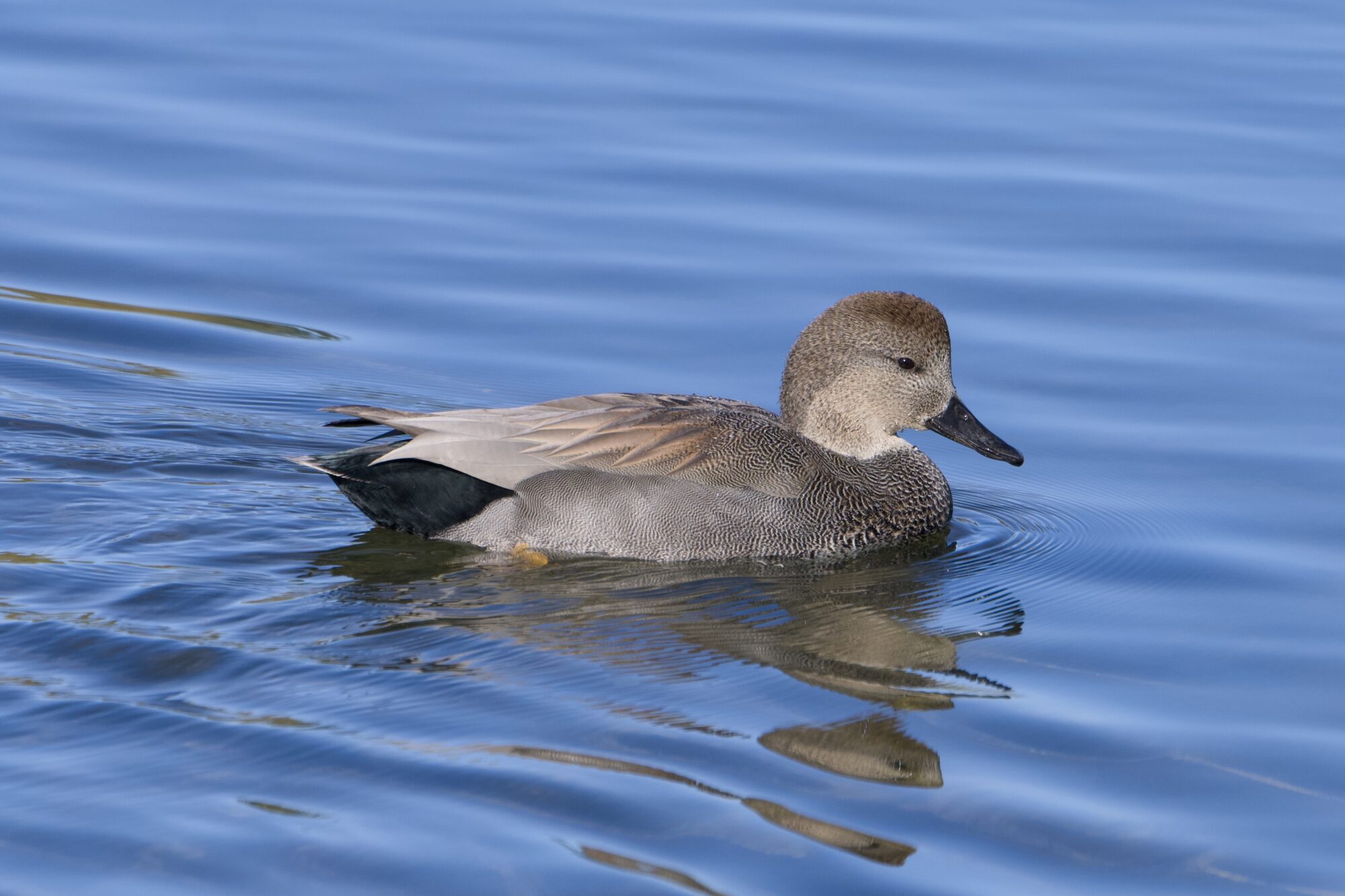
A handsome male Gadwall.
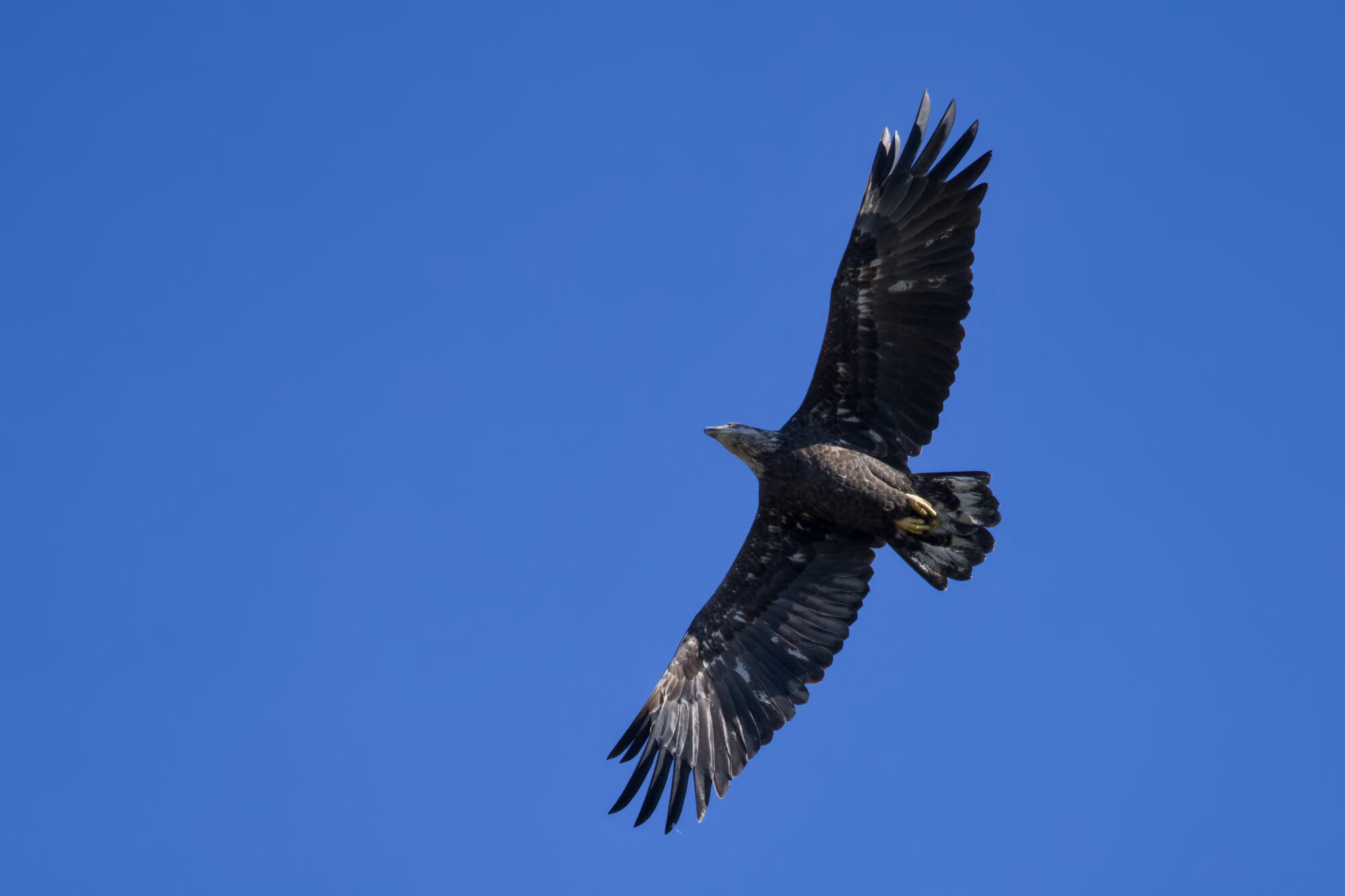
An almost-mature Bald Eagle majestically soaring overhead. Its head and tail are mostly white and the rest is mostly brown, so it may be in its 3rd or 4th year. My understanding is that they get their final adult plumage in their 4th or 5th year.
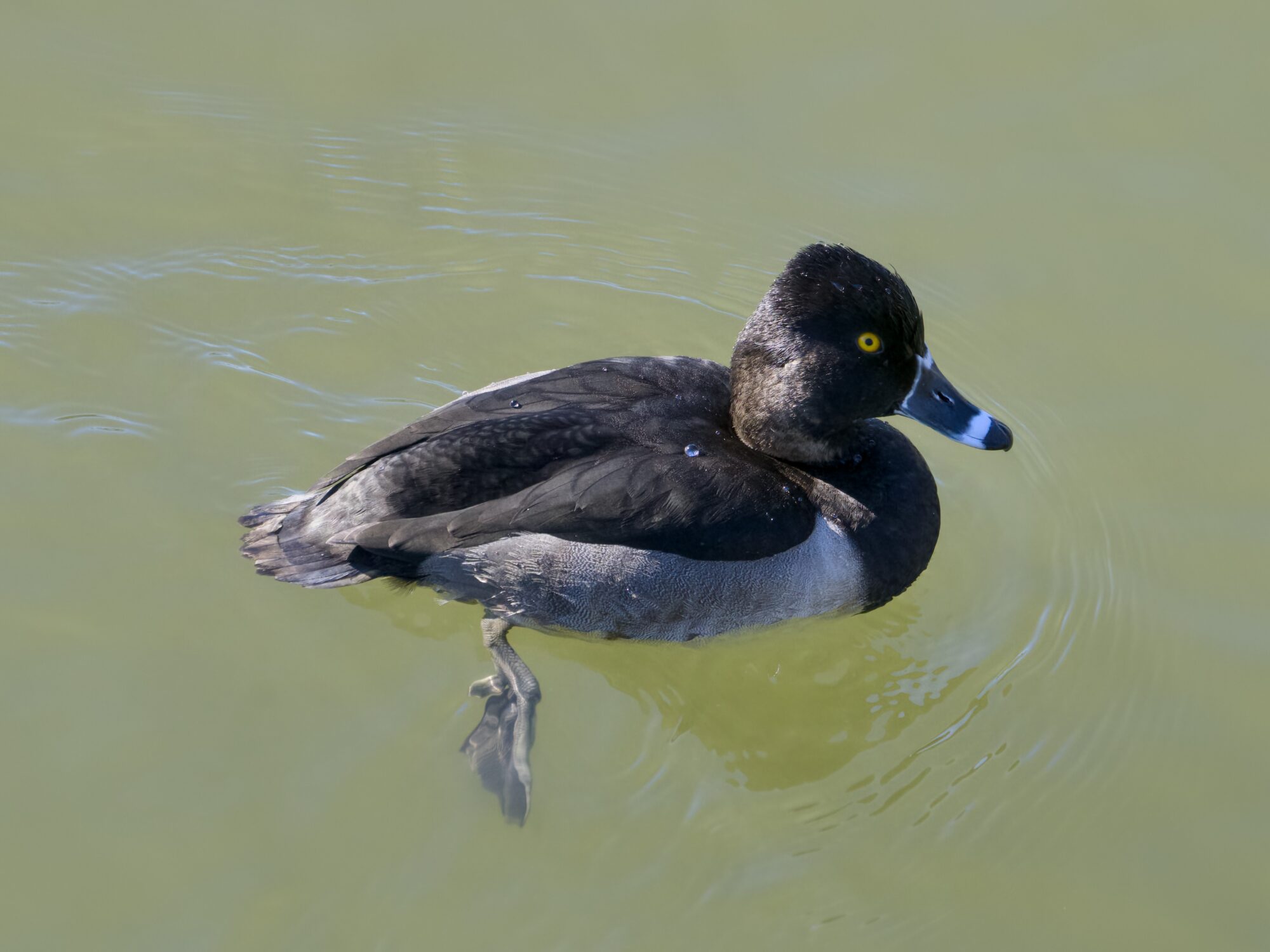
From the observation platform, I think, looking down at the water. I like how clear the surface is, letting me see one foot with almost perfect clarity!
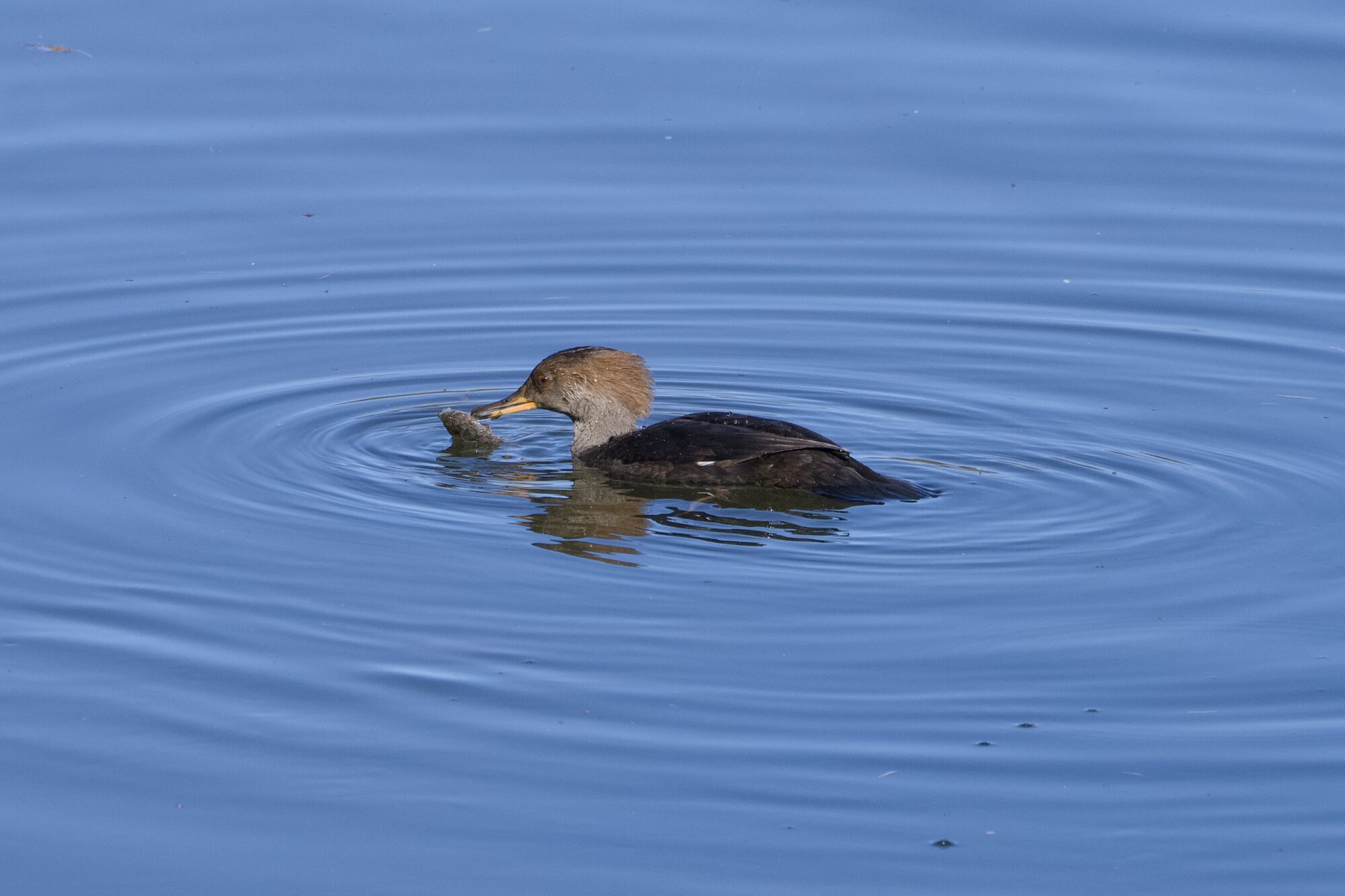
This Hooded Merganser lady had caught this bullhead, but seemed to have trouble with it and it briefly escaped. She caught it again and this time it did not escape!
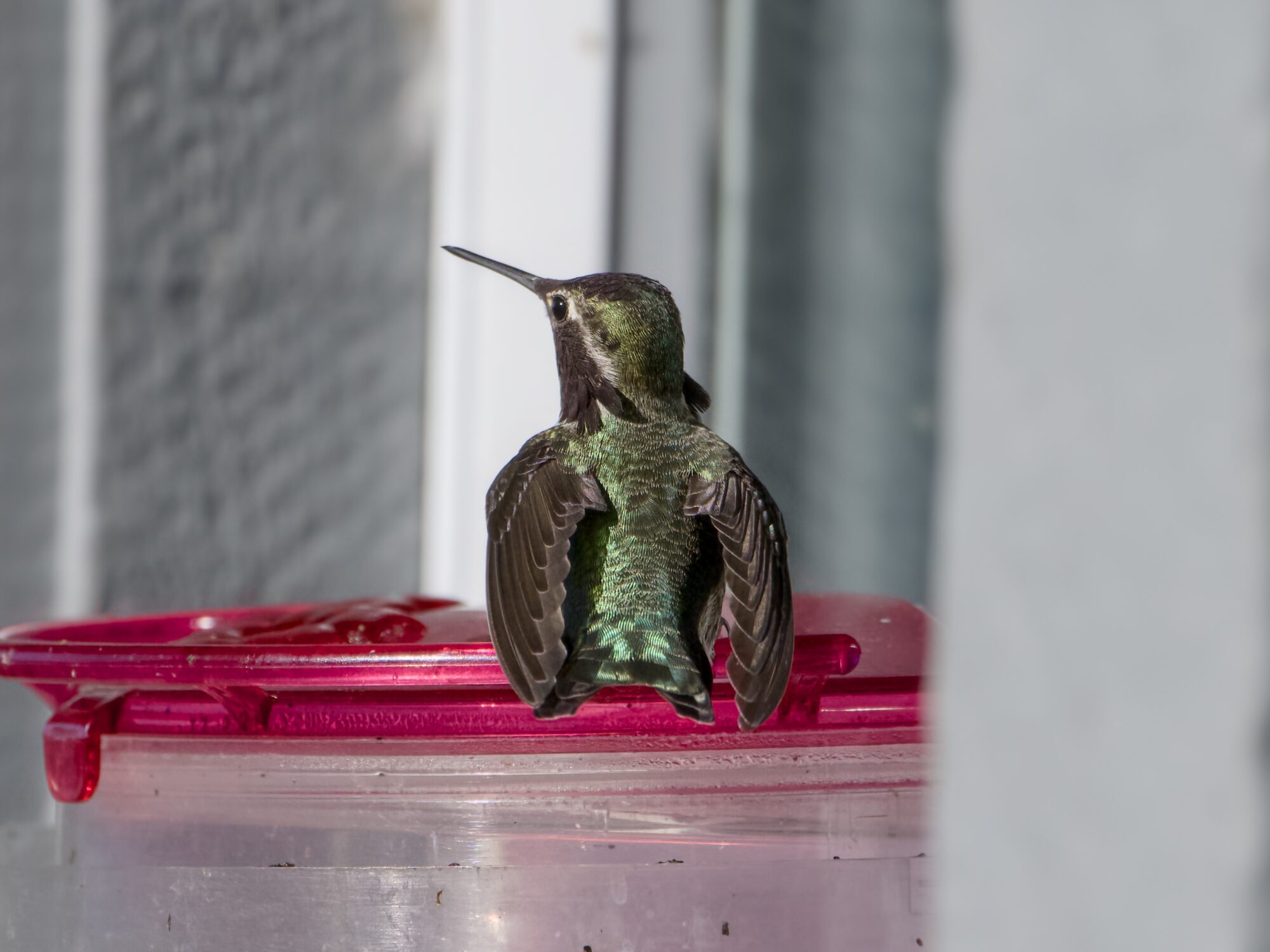
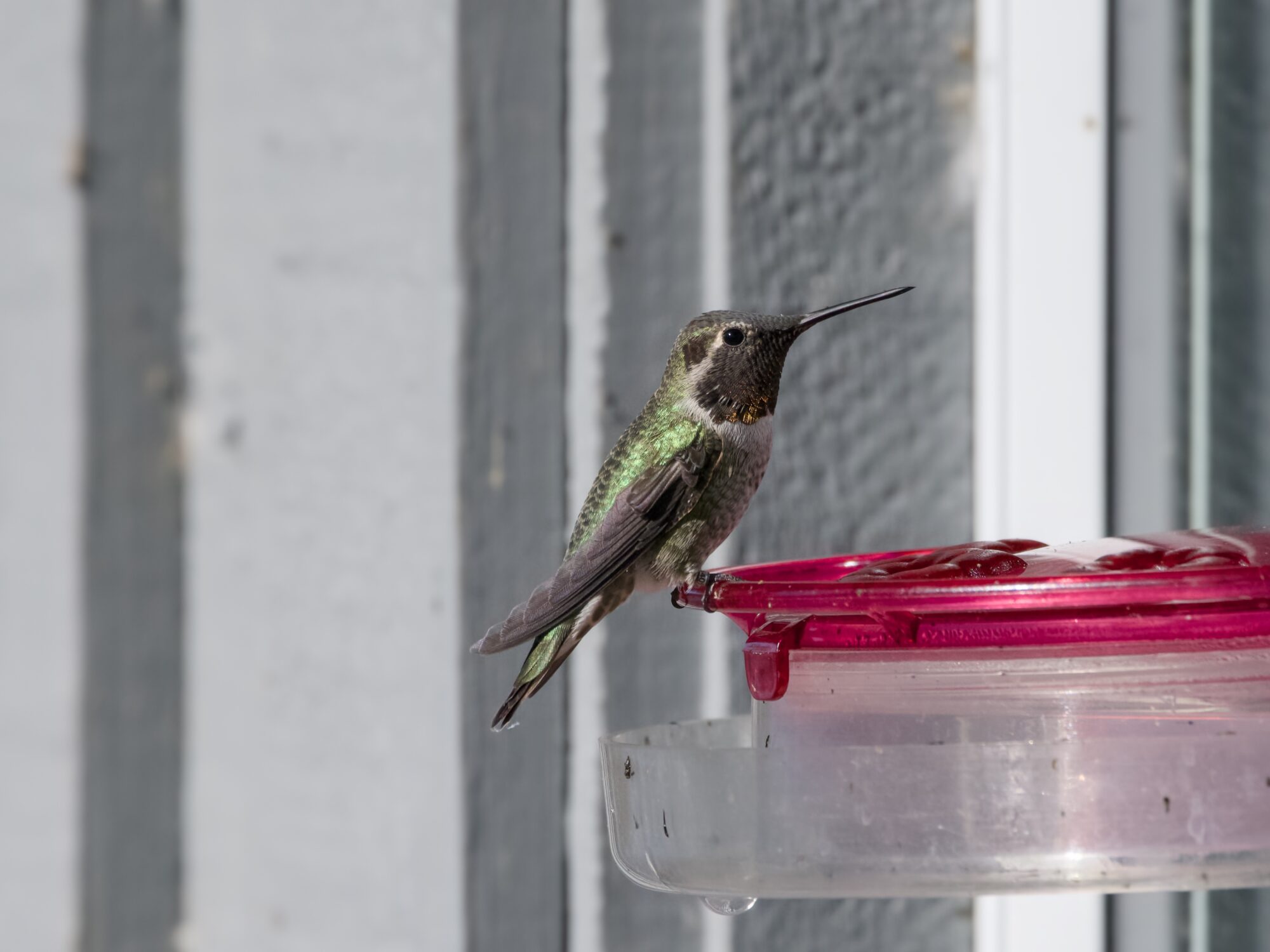
“Sharing” is really not in a hummingbird’s vocabulary. Females are generally less territorial outside of the nesting season, but there was still a fair amount of posturing and get-out-of-my-personal-space from everyone involved.
(Including the yellowjackets attracted to the sugar water. The hummies had to dance around to avoid the waspy bastards, since getting their tiny little bodies stung would be very bad news!)
A classic profile!
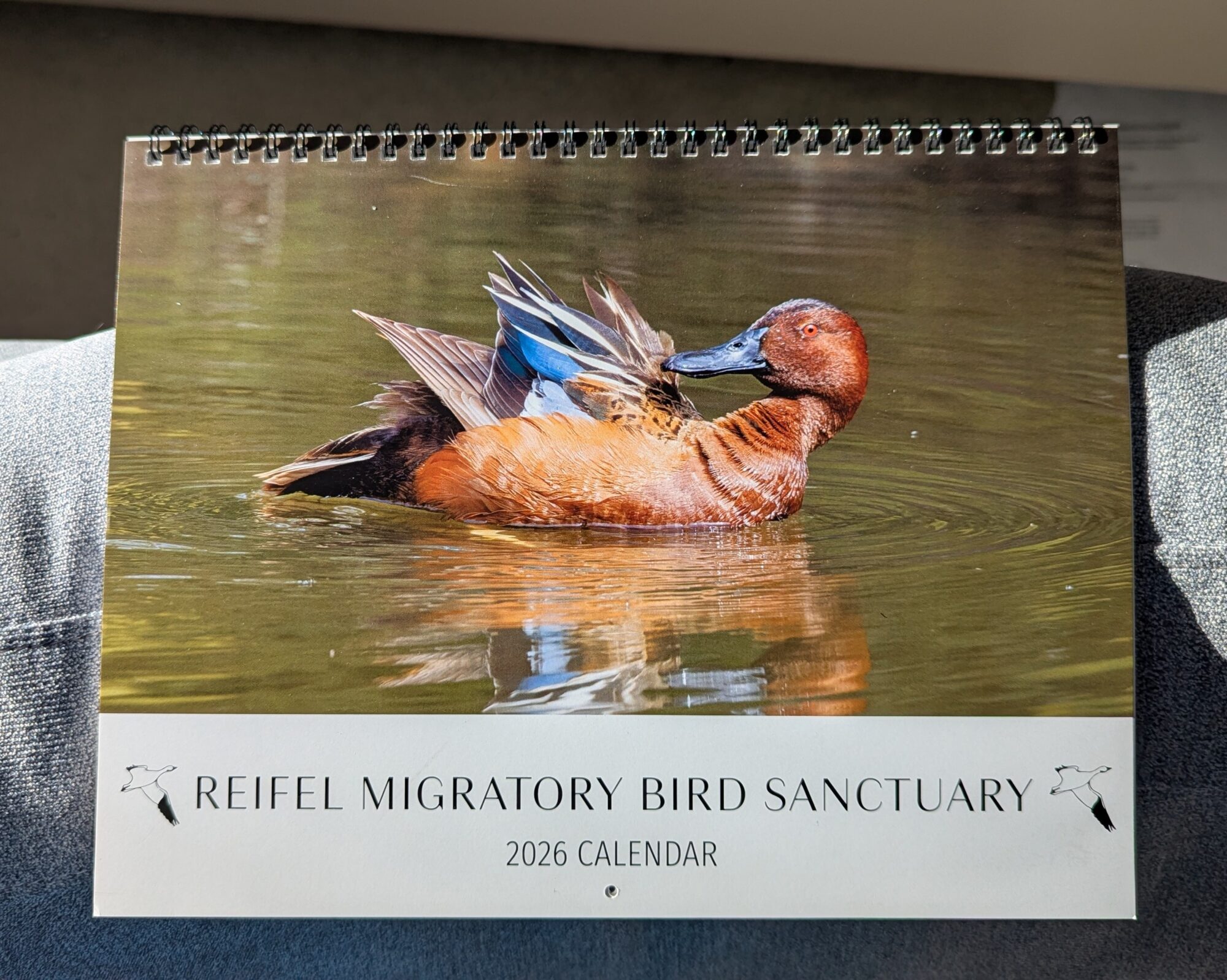
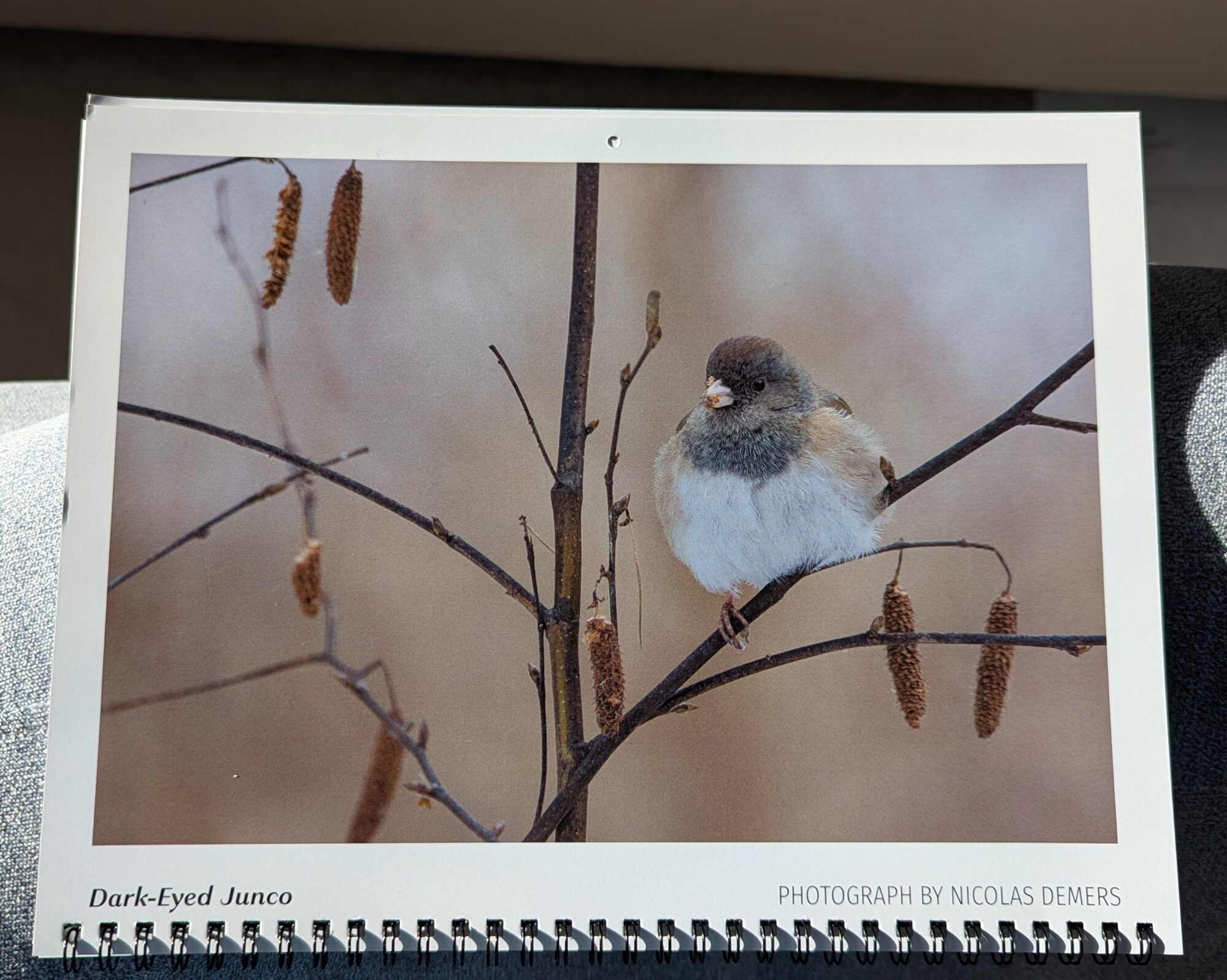
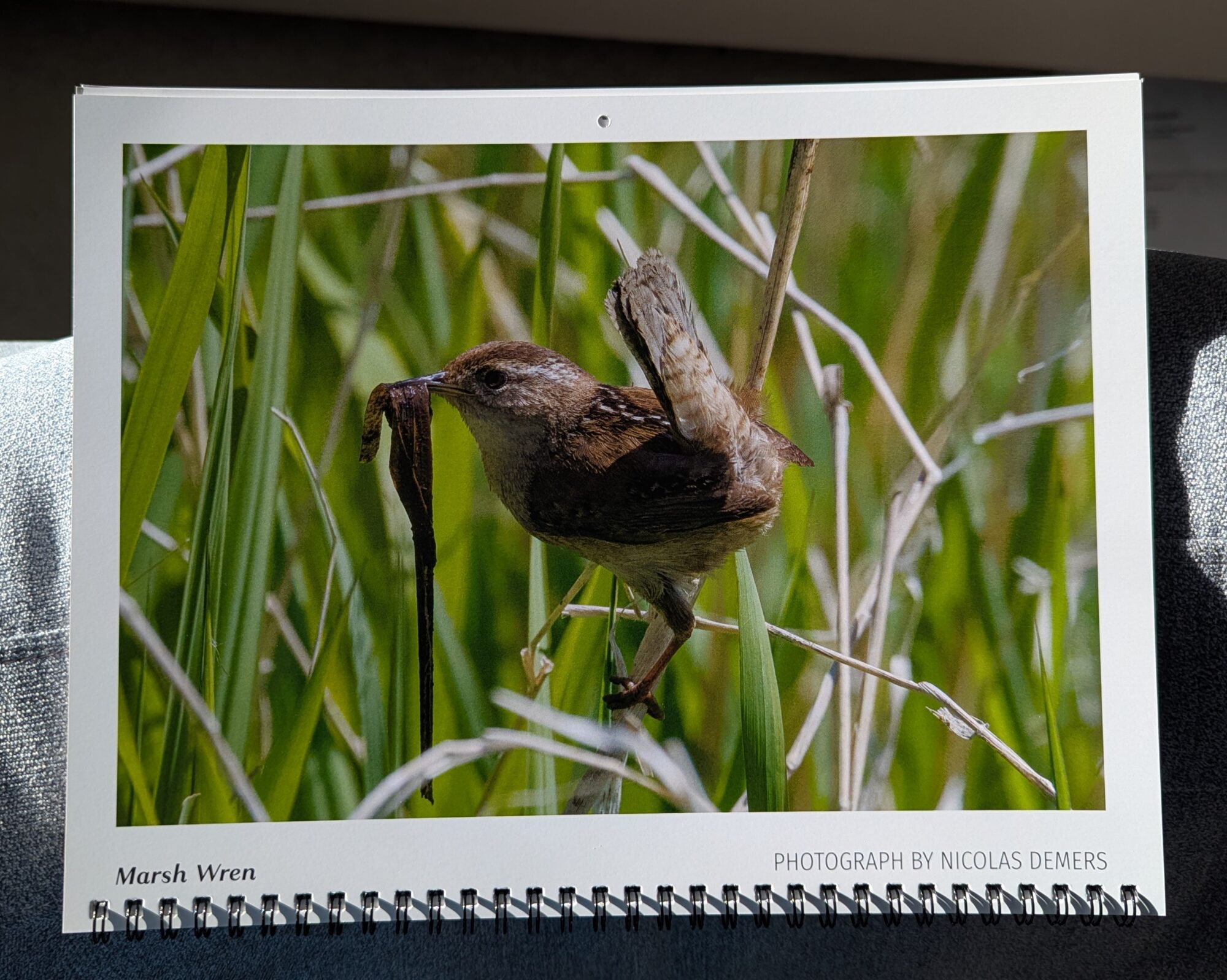
Okay so this is what this post’s title is all about. Earlier this year, I submitted several photos to the 2026 Reifel calendar… and two were accepted! A hungry Dark-eyed Junco for January, and a nest-building Marsh Wren for April. On this visit I was able to get my hands on my two complimentary copies so I know it’s really real.
This is a huge thrill for me, not just in having my photos Officially(tm) Published somewhere, but supporting a place I 100% love and would visit every day if I could.
(It doesn’t look like Reifel has an online store, so you’ll have to visit in person. But in addition to calendars, the gift shop offers all sorts of books, guides, games, puzzles, jewellery, etc so it’s totally worth the trek even without the birds.)
Centennial Beach
As per our new custom we started out from the north end — makes sense, since that bit generally provides better landscapes and birbing opportunities, with nice friendly bushes, wetlands and tidal zones.
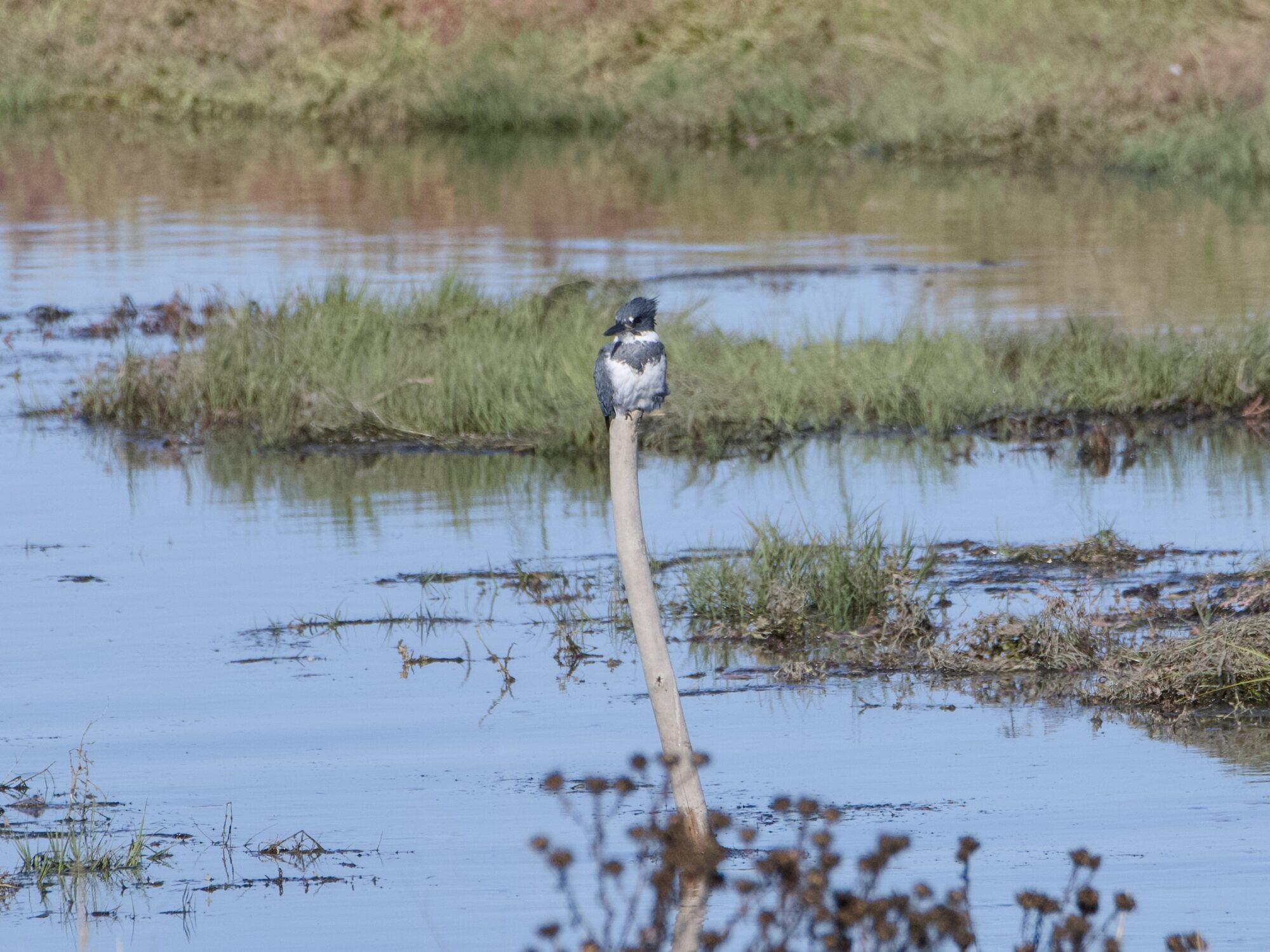
Here is a male Belted Kingfisher surveying his domain.
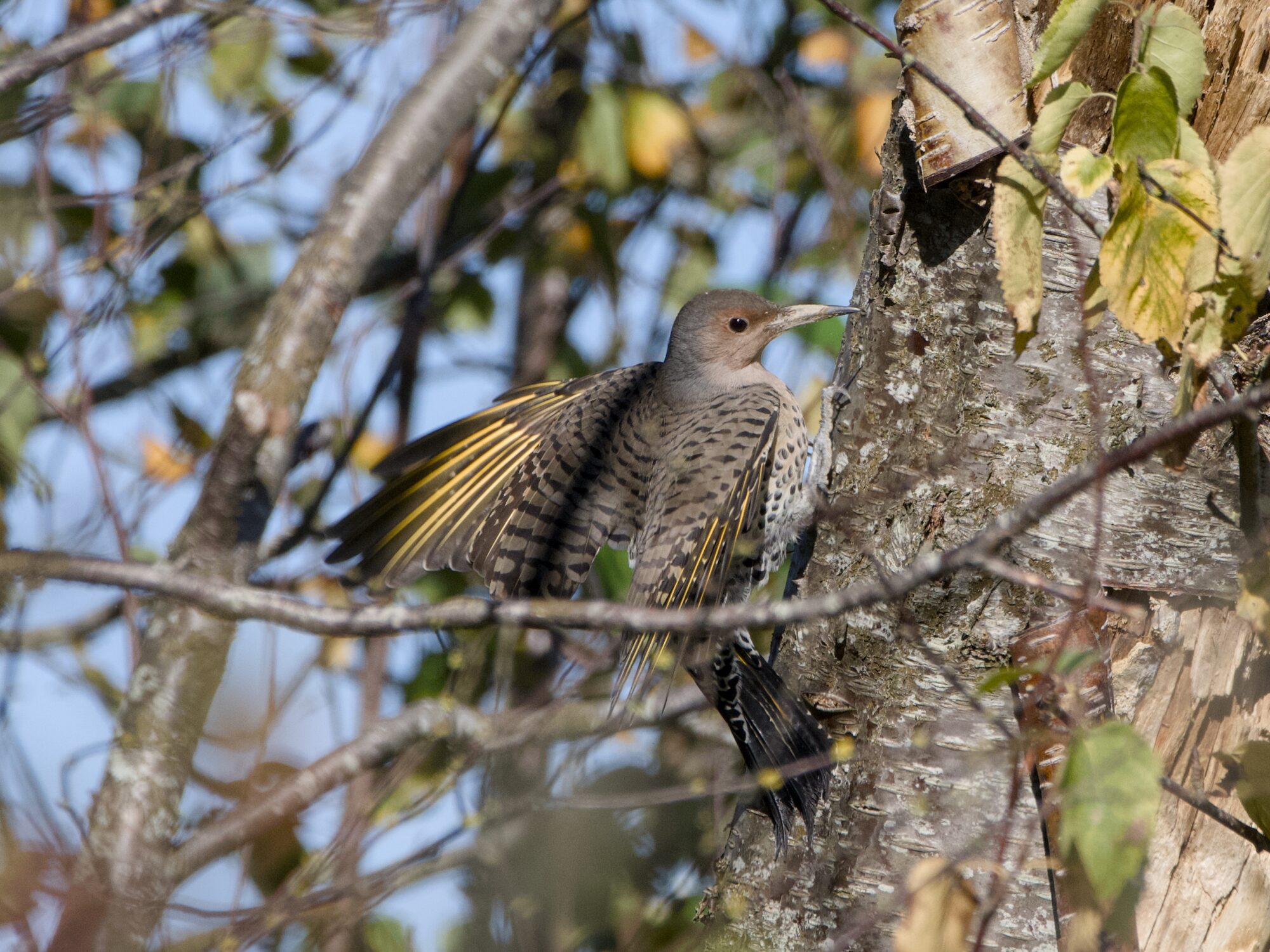
Now this is a special capture indeed! I’ve seen intergrades before, but this lovely lady seems to be 100% yellow-shafted, or pretty close! What’s her story? How did she get here?
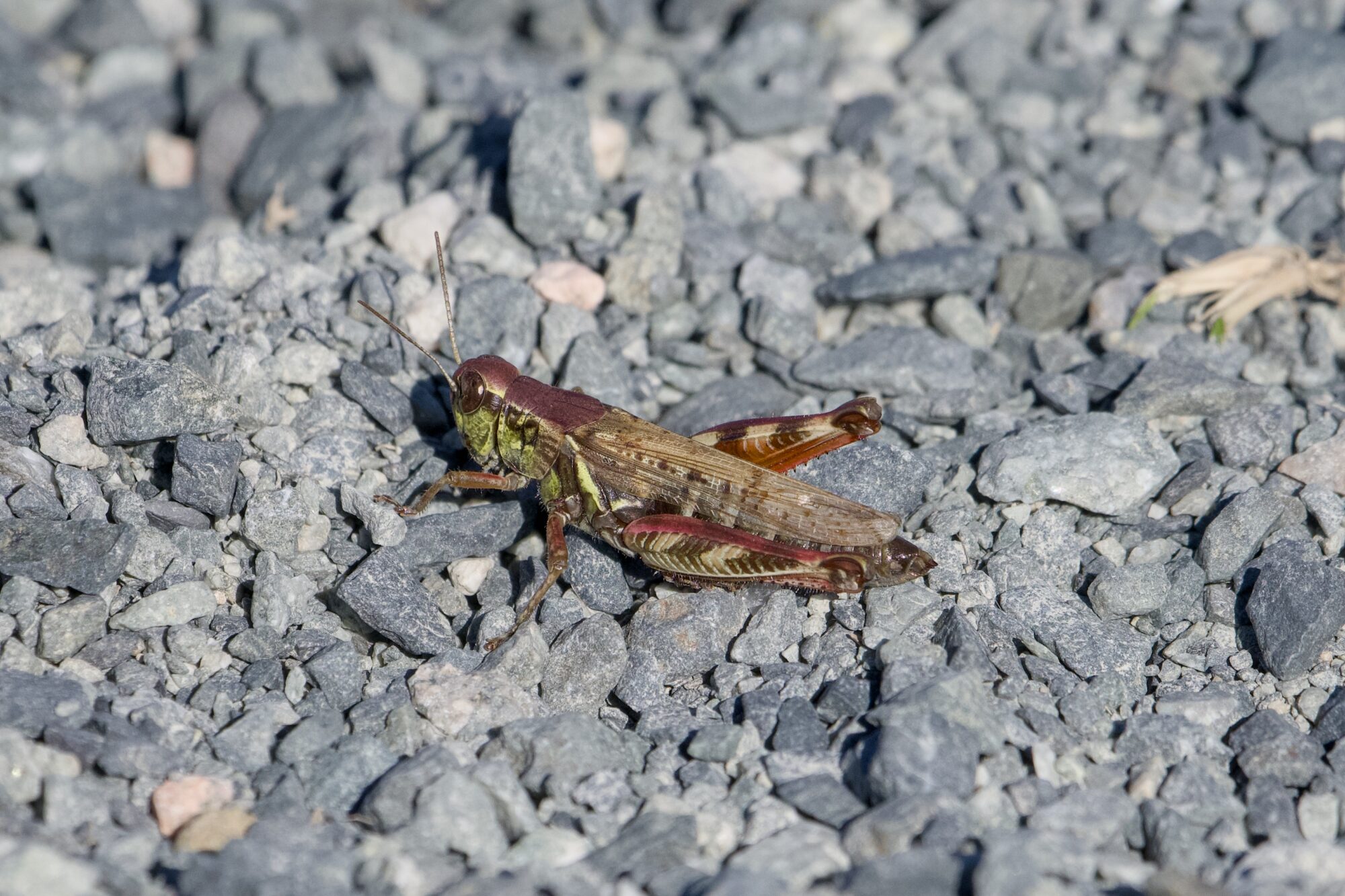
I’m not much of a locustologist, though I remember reading once that locusts, grasshoppers and crickets are distinct entities with distinct features, not interchangeable at all. That said, I don’t remember ever seeing such a brightly coloured jumping bug. I think it’s the red along the hind legs that really bring out the whole ensemble!
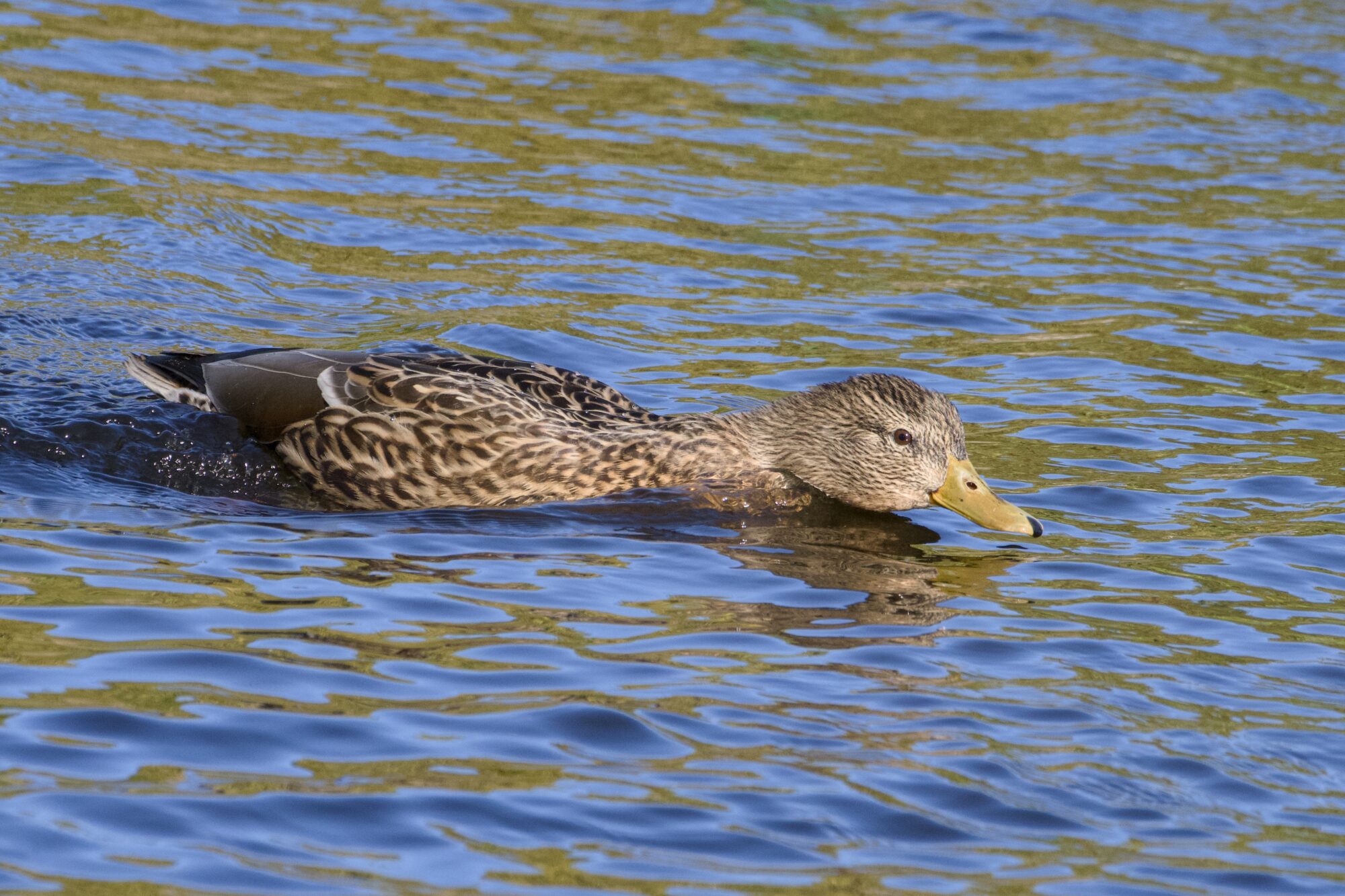
I was watching a couple ducks swim like this in the main pond on the south end of the park, by the beach. This guy was not drinking, but swimming with his head very low, sort of resting his neck on the water. Is that what’s happening? I’m really not sure.
Also wait, that’s a male Mallard, right? With the bright yellow bill? But I can’t see any green on his head, and there should be some even for his nonbreeding outfit. Maybe he’s a juvenile, I don’t know.
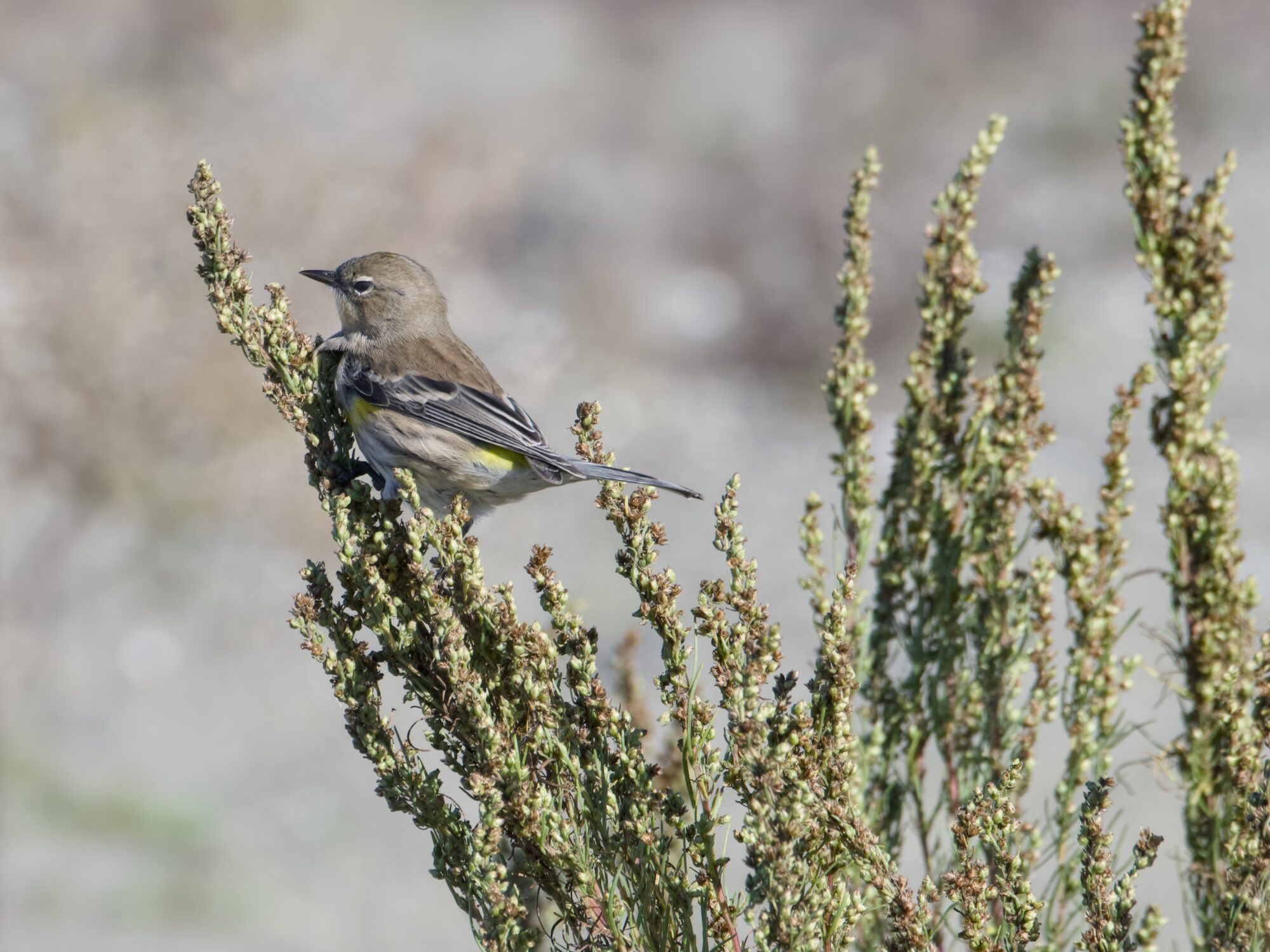
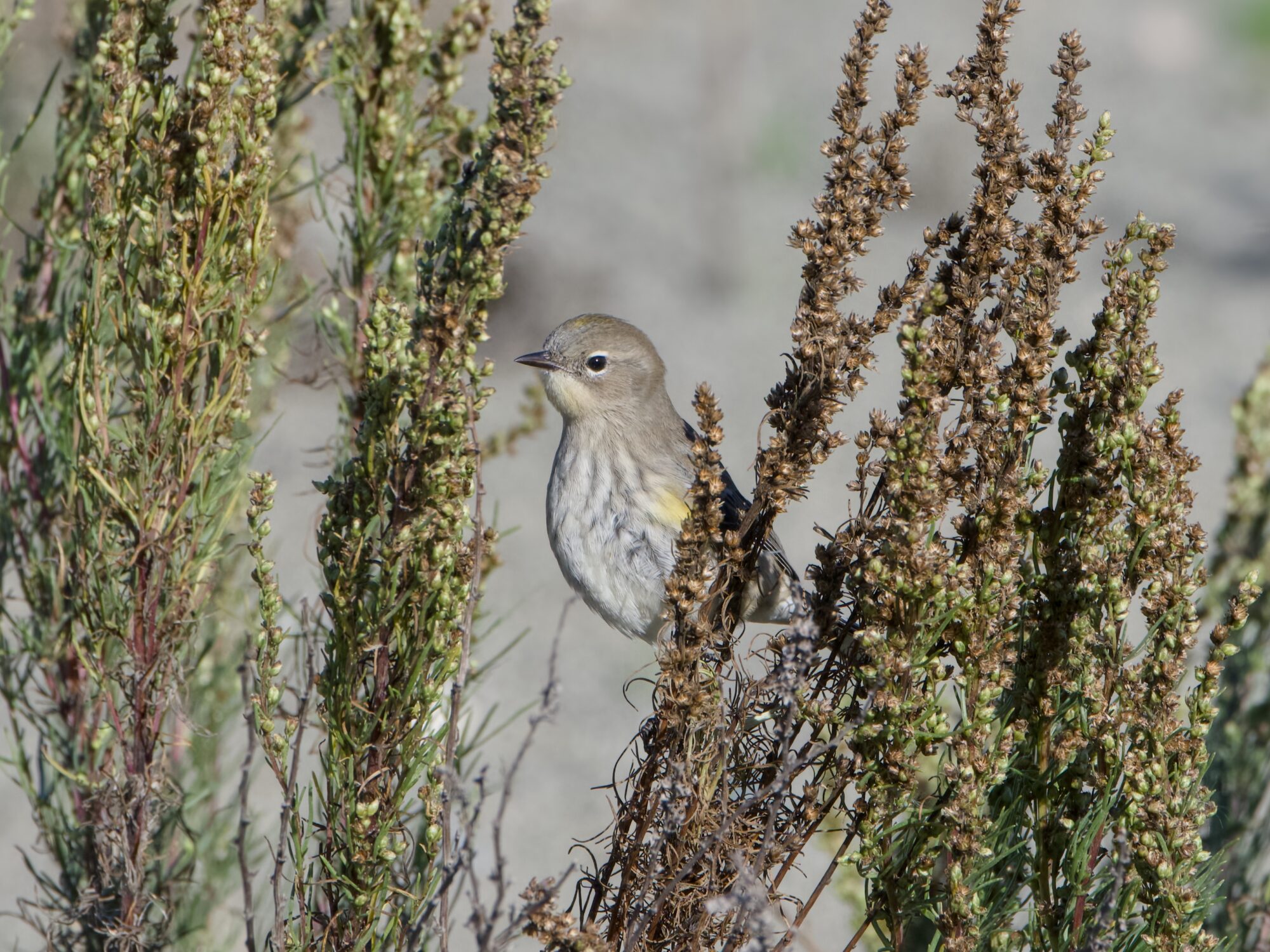
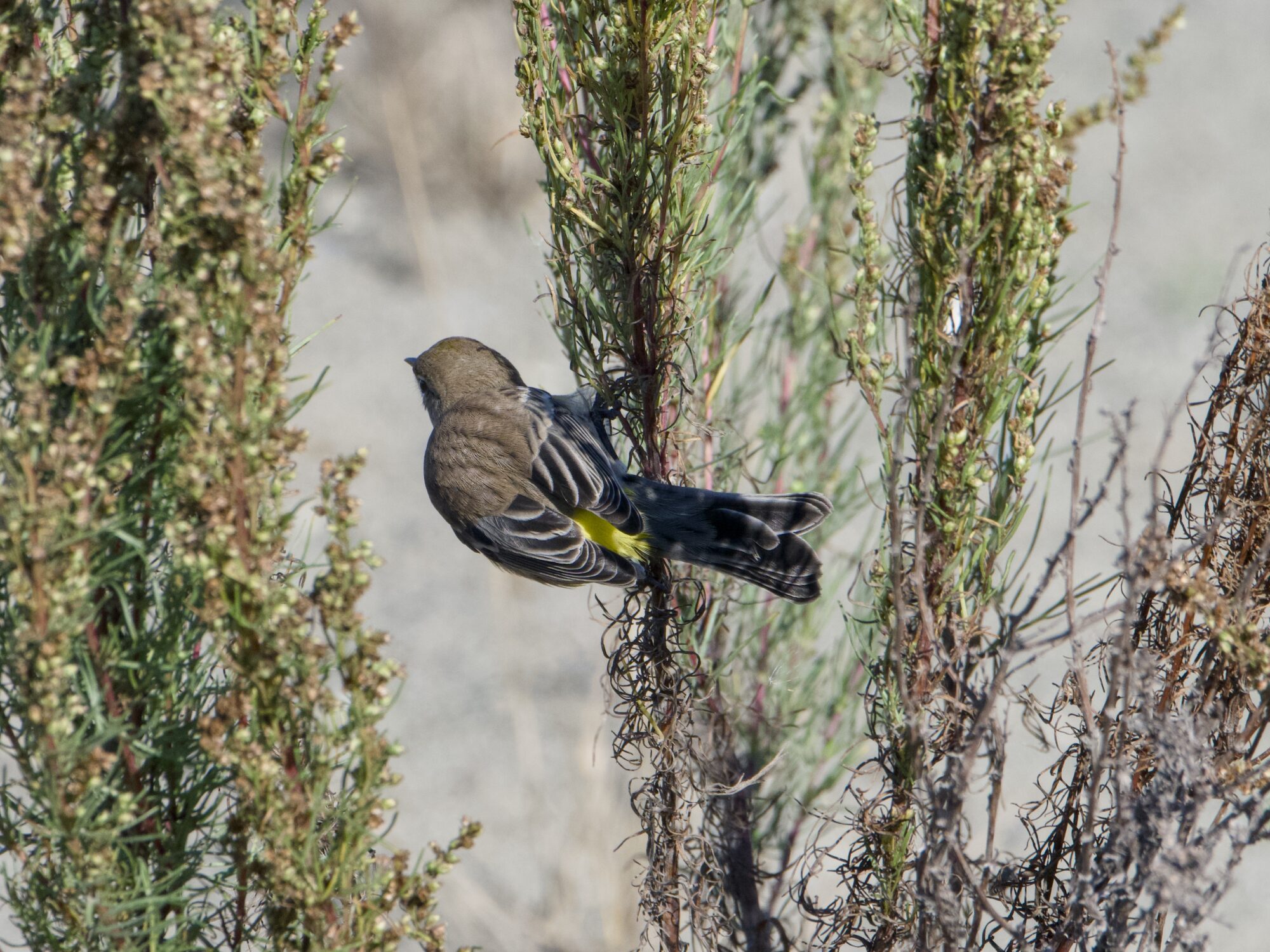
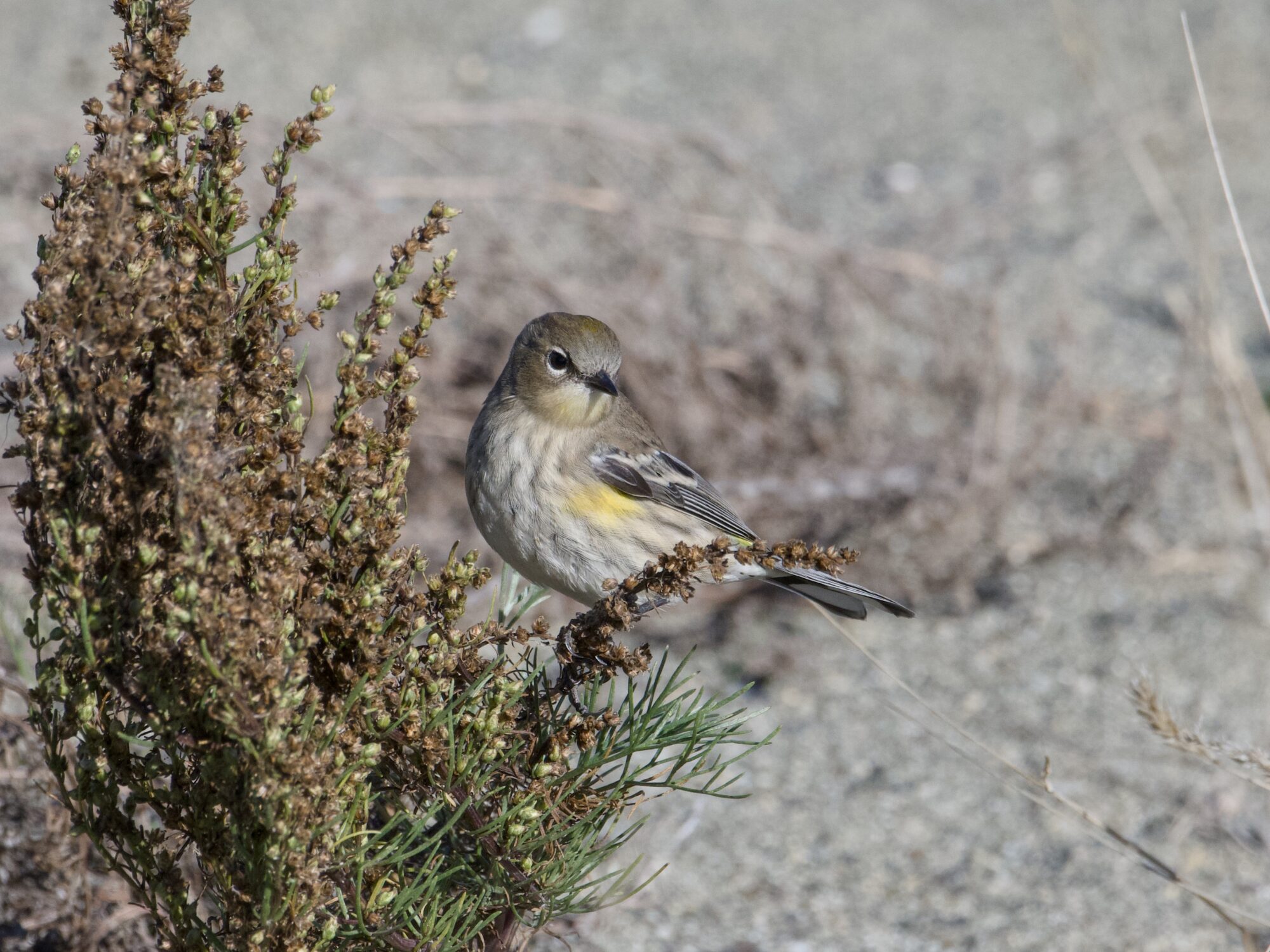
Then trekking back up the park, we found this lovely lady. Yellow-rumped Warblers had been in short supply this season, so she was a very welcome sight!
Piper Spit (Burnaby Lake Regional Park)
Just latest in my studies of ducks emerging from the water.
If I remember, this teal was delicately dipping the tip of his bill in the water as part of his grooming routine. Maybe he mixed it with the waterproof oil gland in his rumps that ducks have, to better work it into his feathers?