In which we ponder the mechanics of blackbird eating, dragonfly death, and say hi to a raptor.
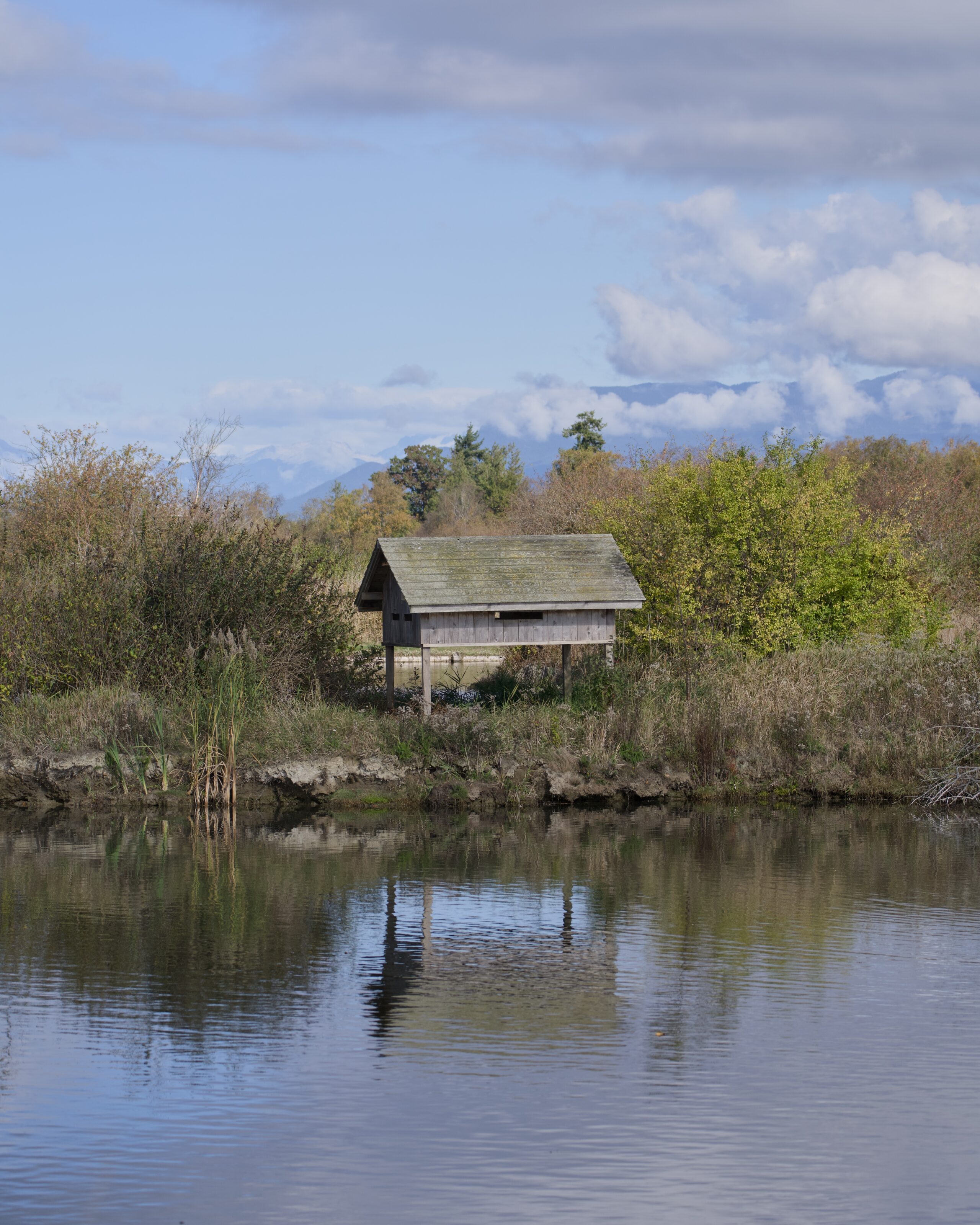
Reifel Migratory Bird Sanctuary

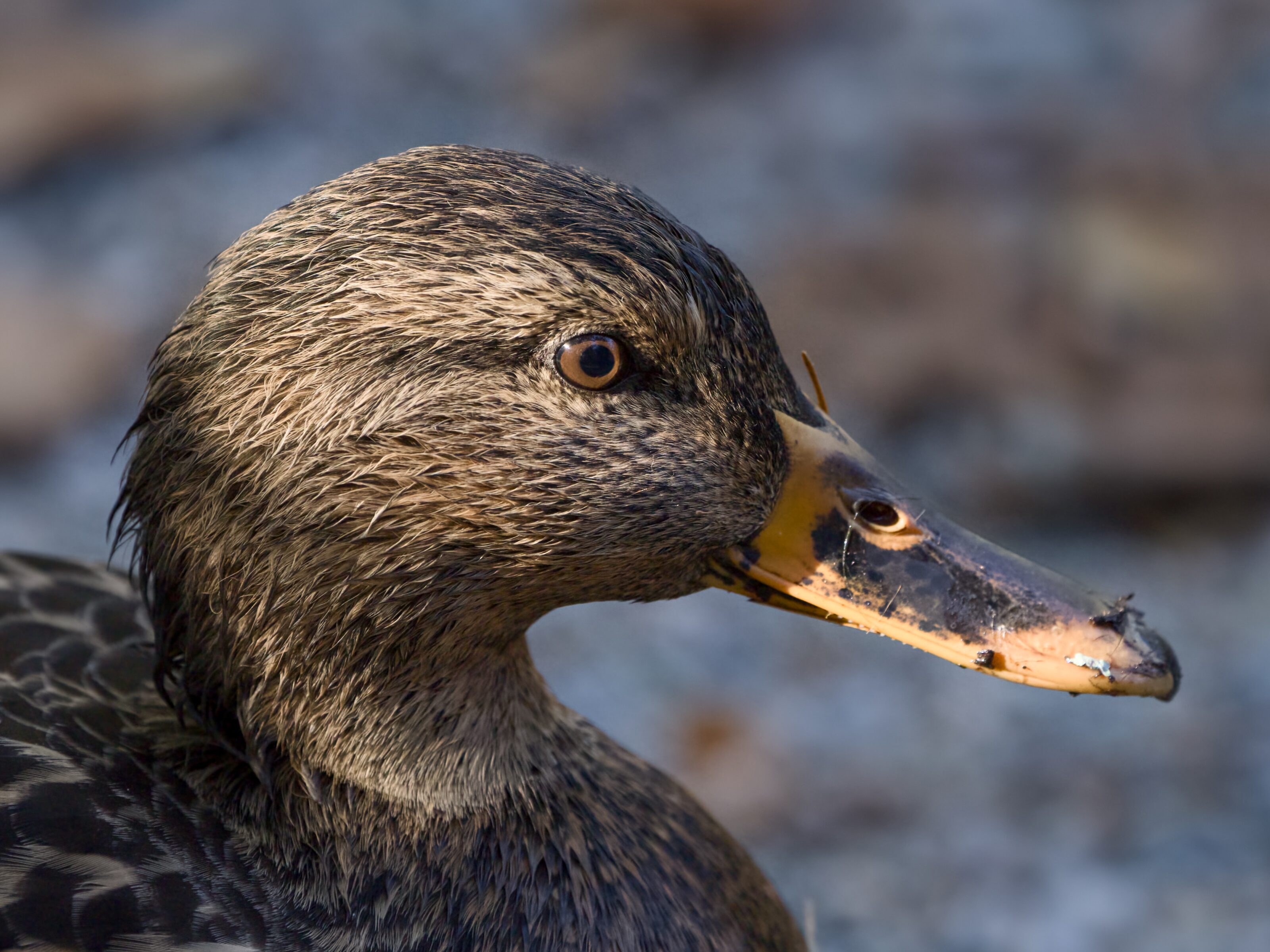
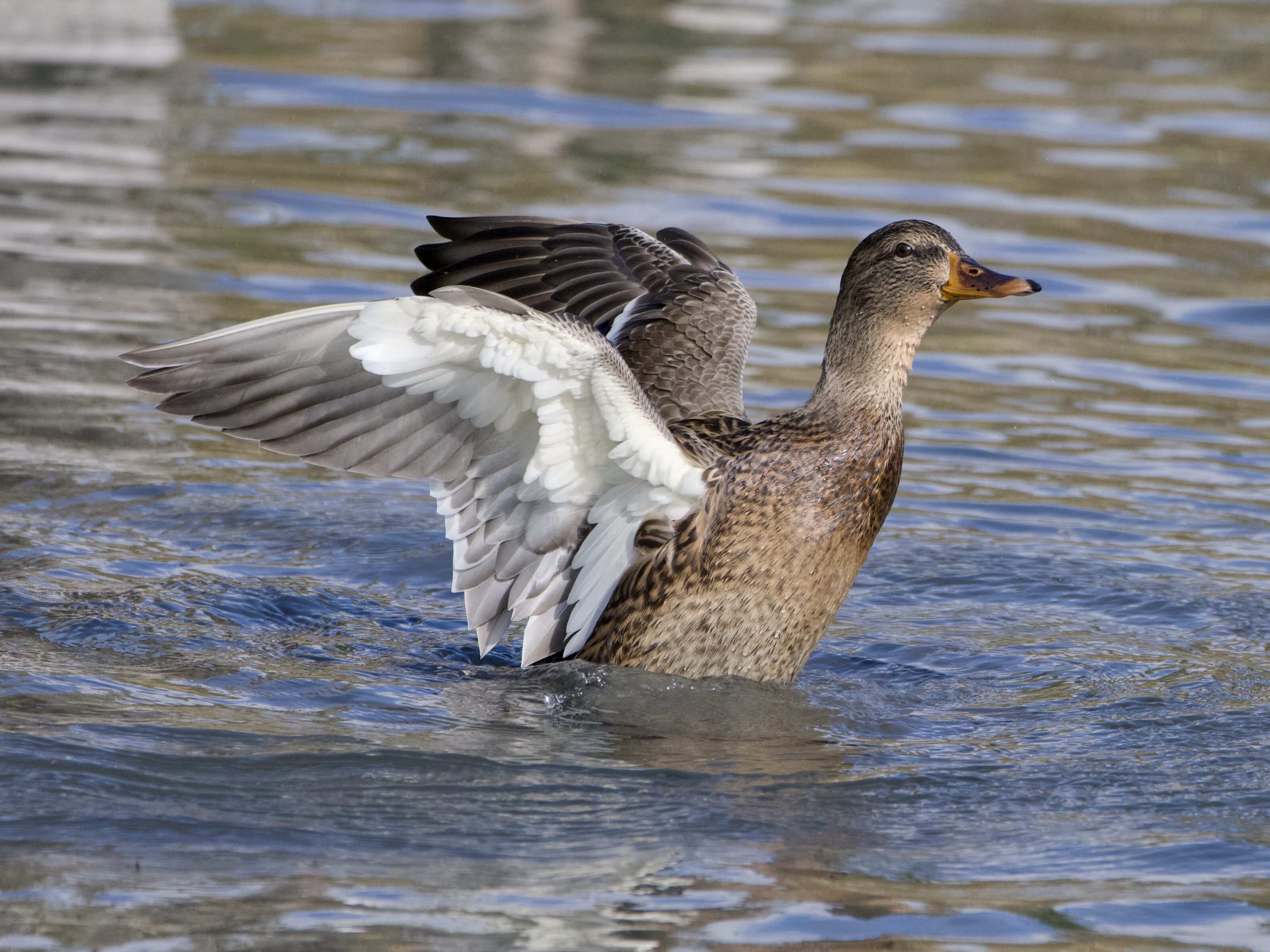
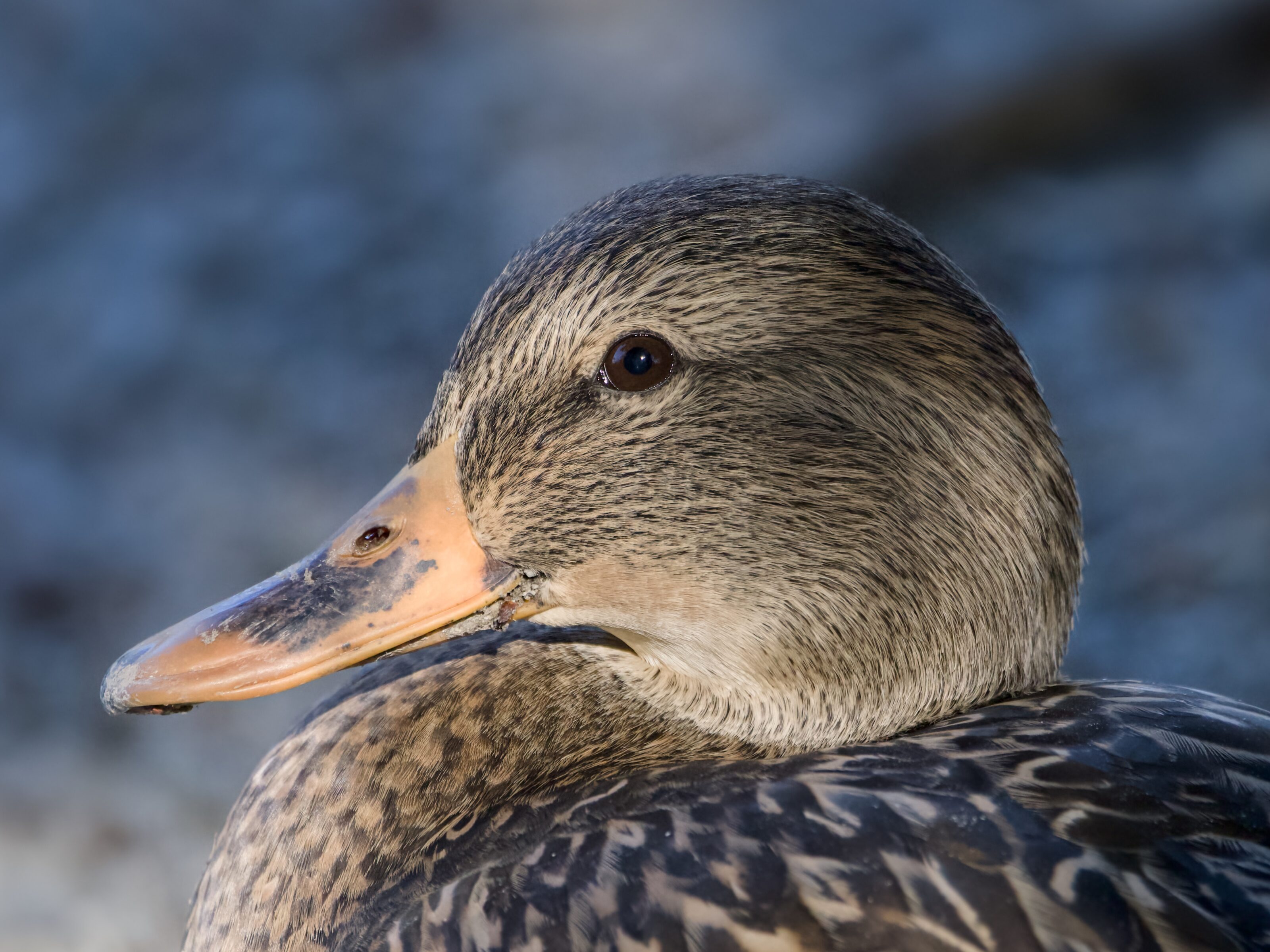
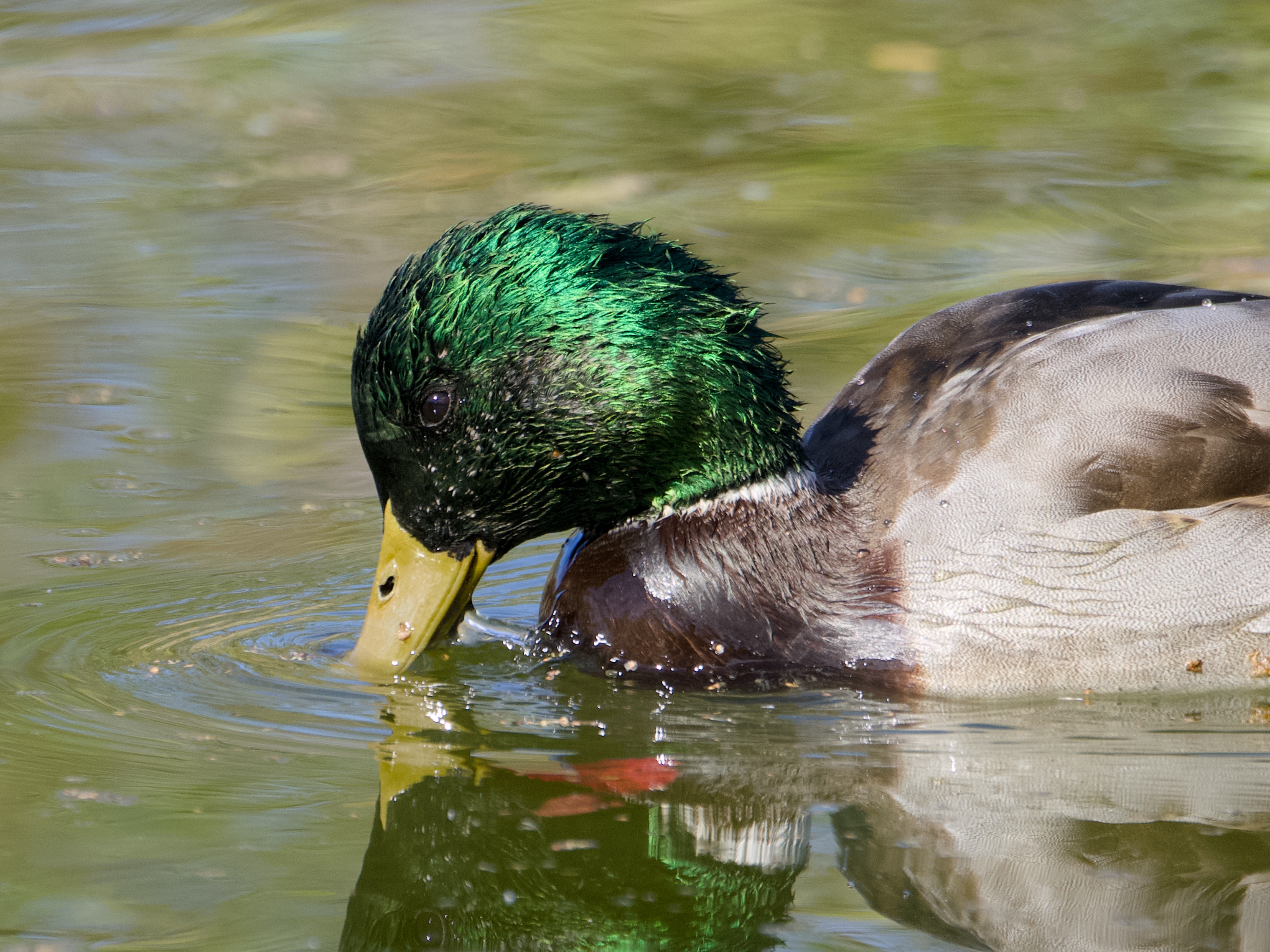
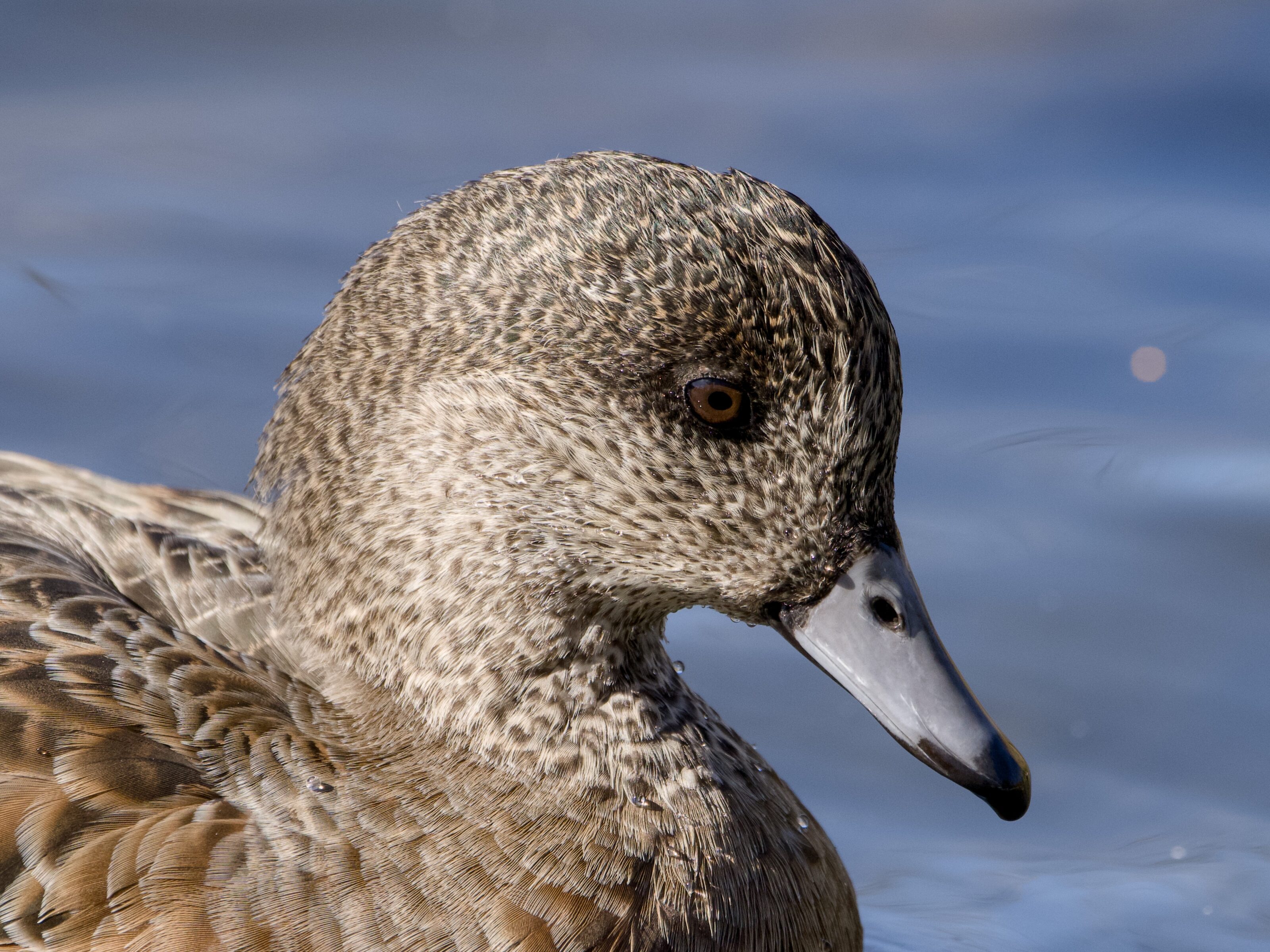
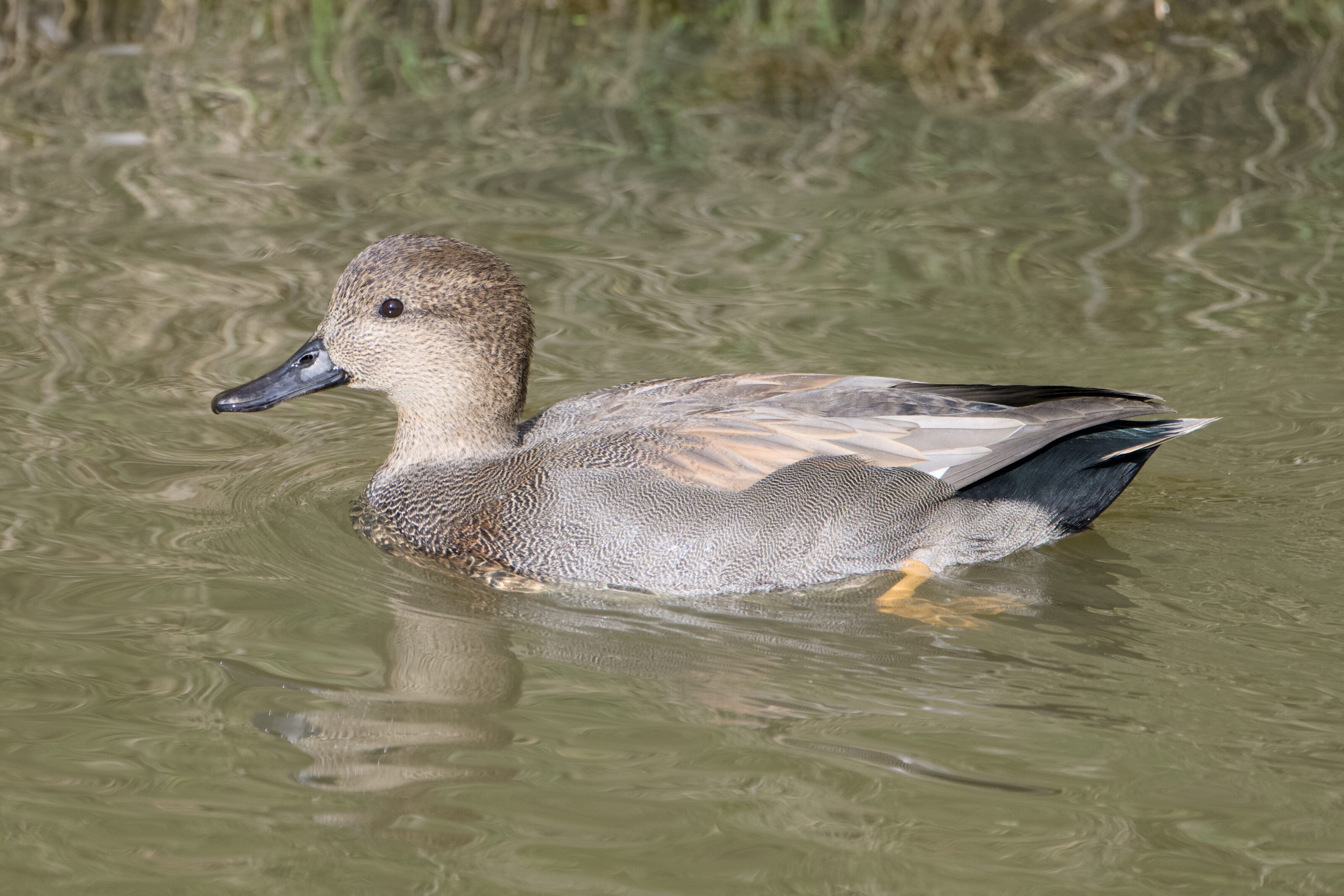
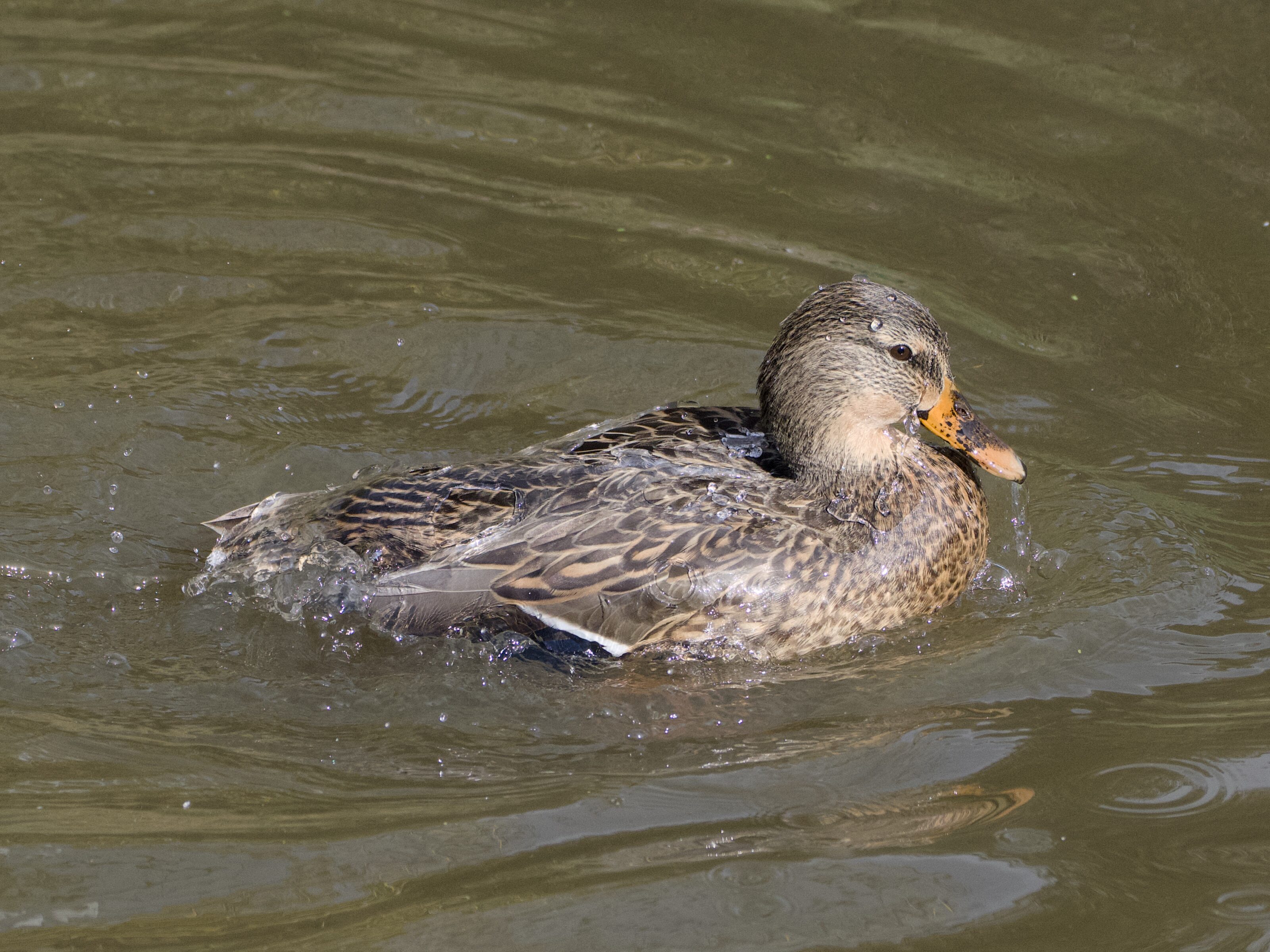
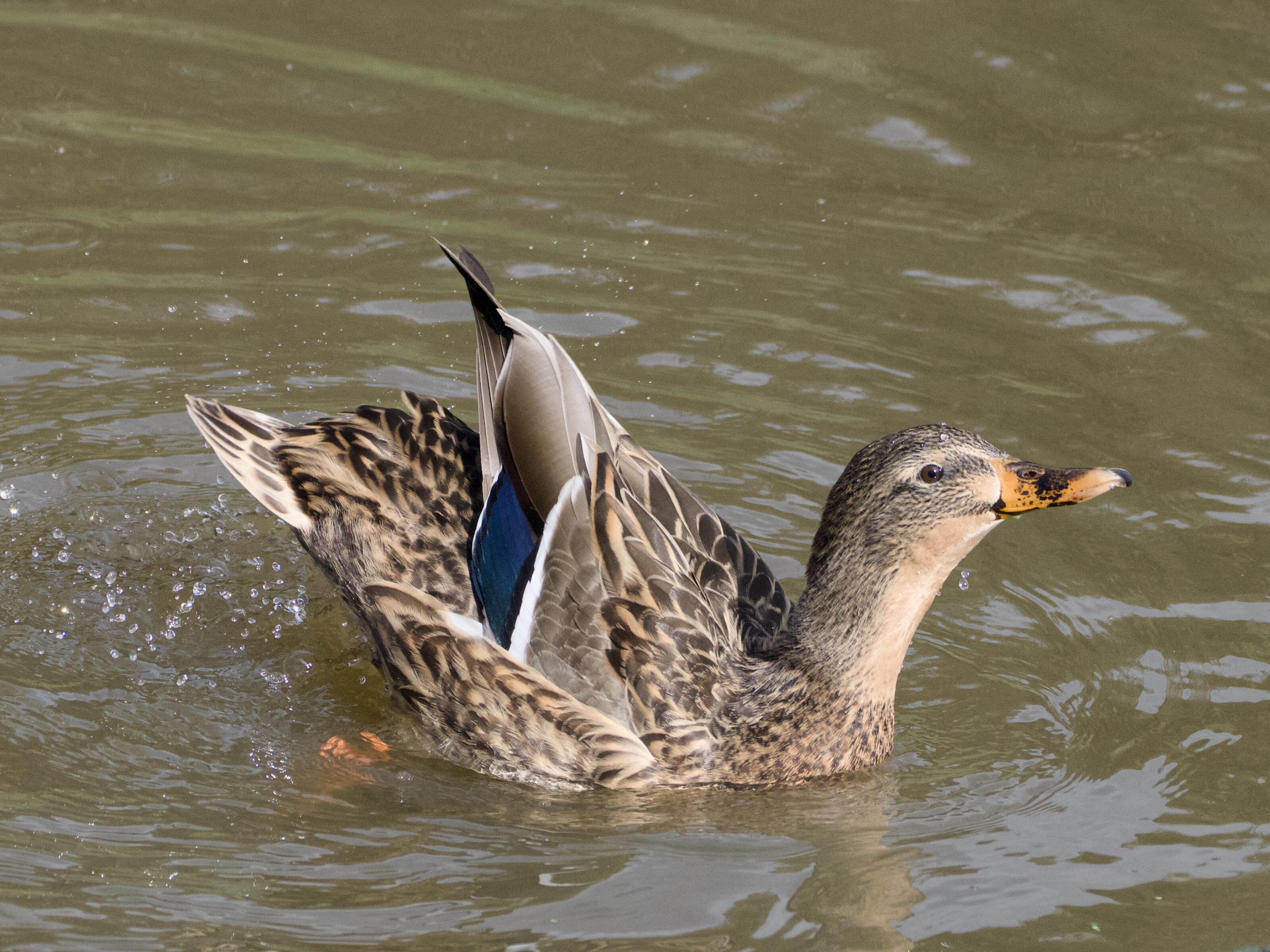
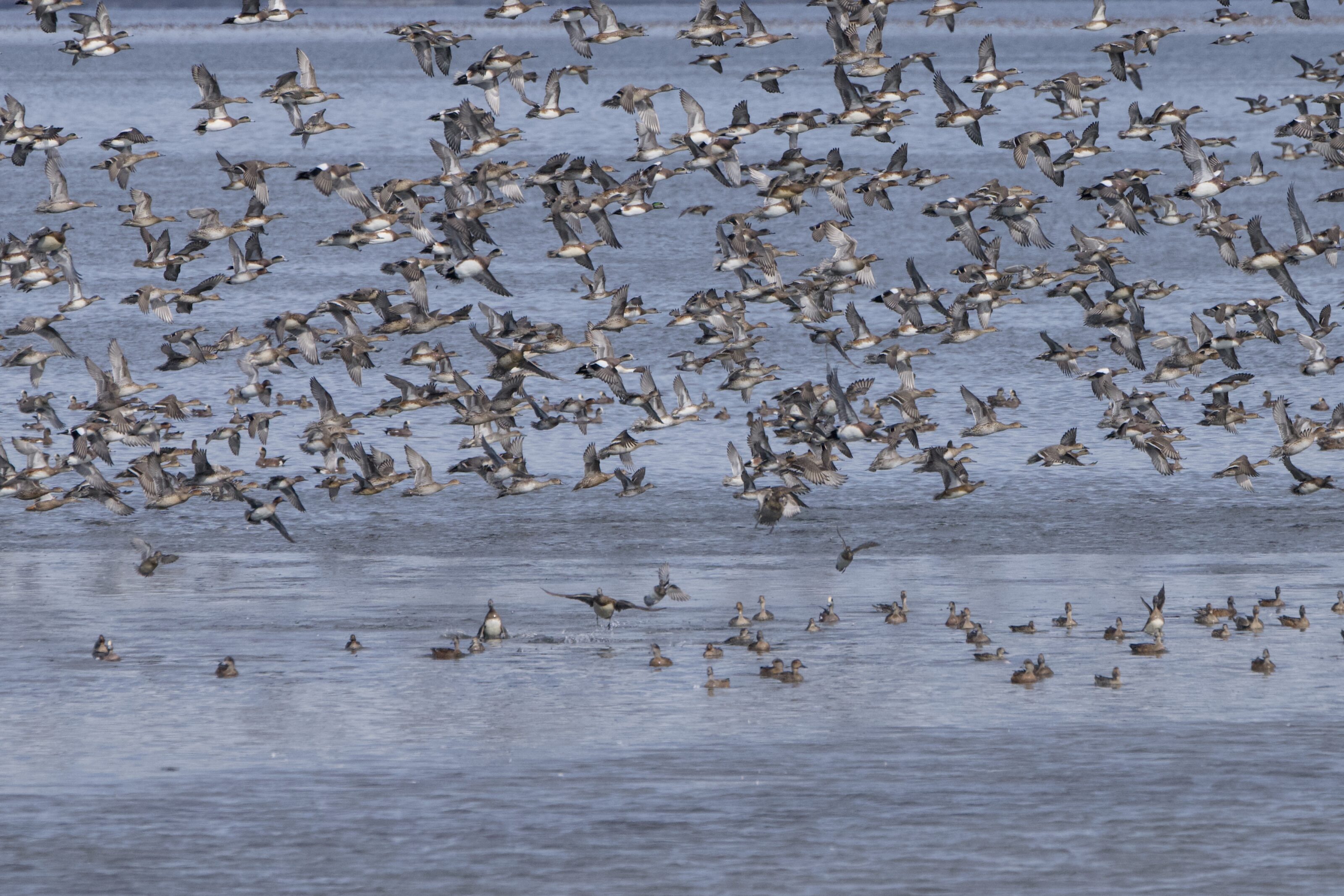
Most fall migrants are still to come, sadly, but at least now we have wigeons! And, speaking of fall and ducks, the Mallards seem to all be back to their gorgeous emerald plumage so you best believe I took lots of adoring portraits.
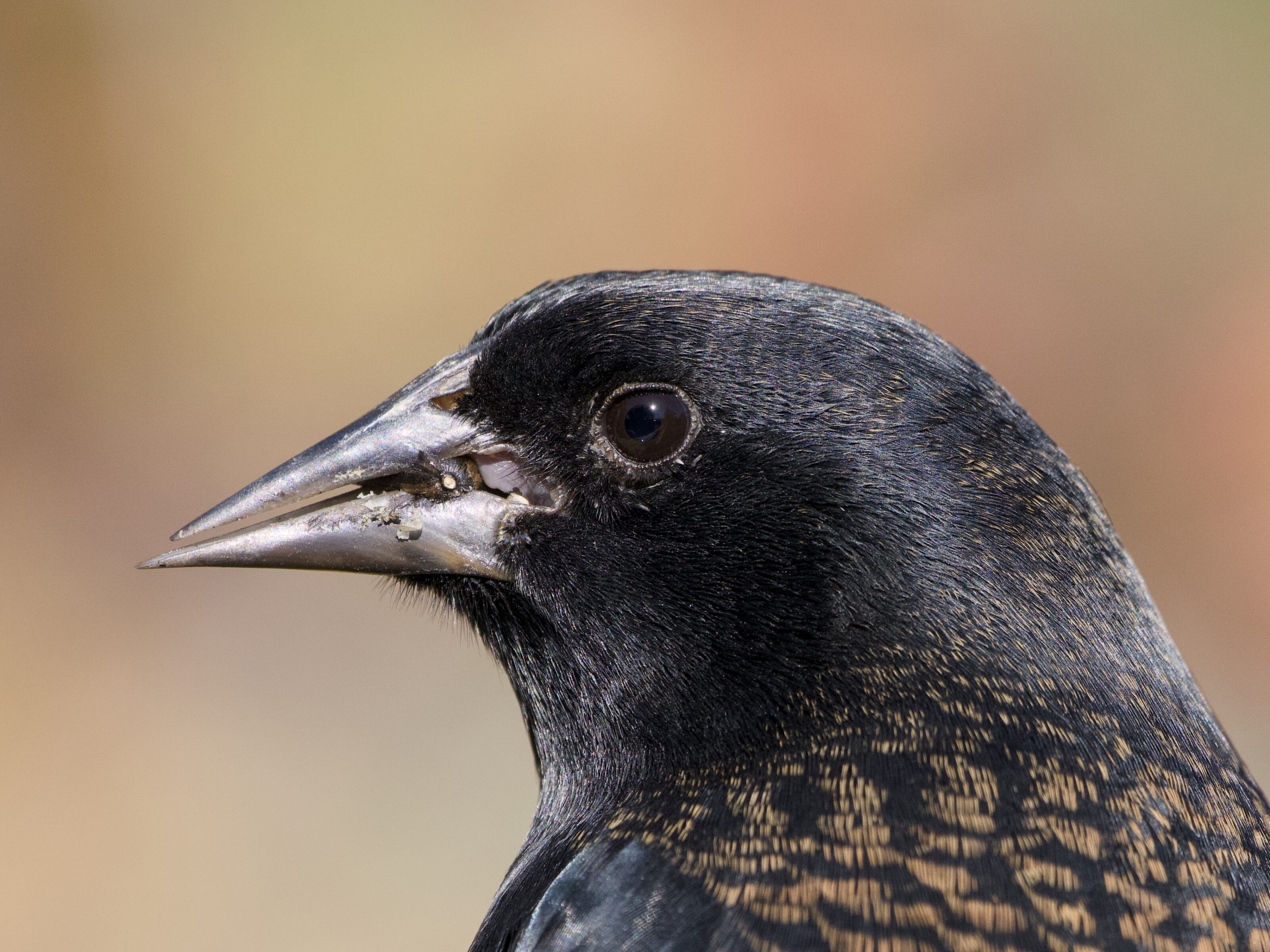
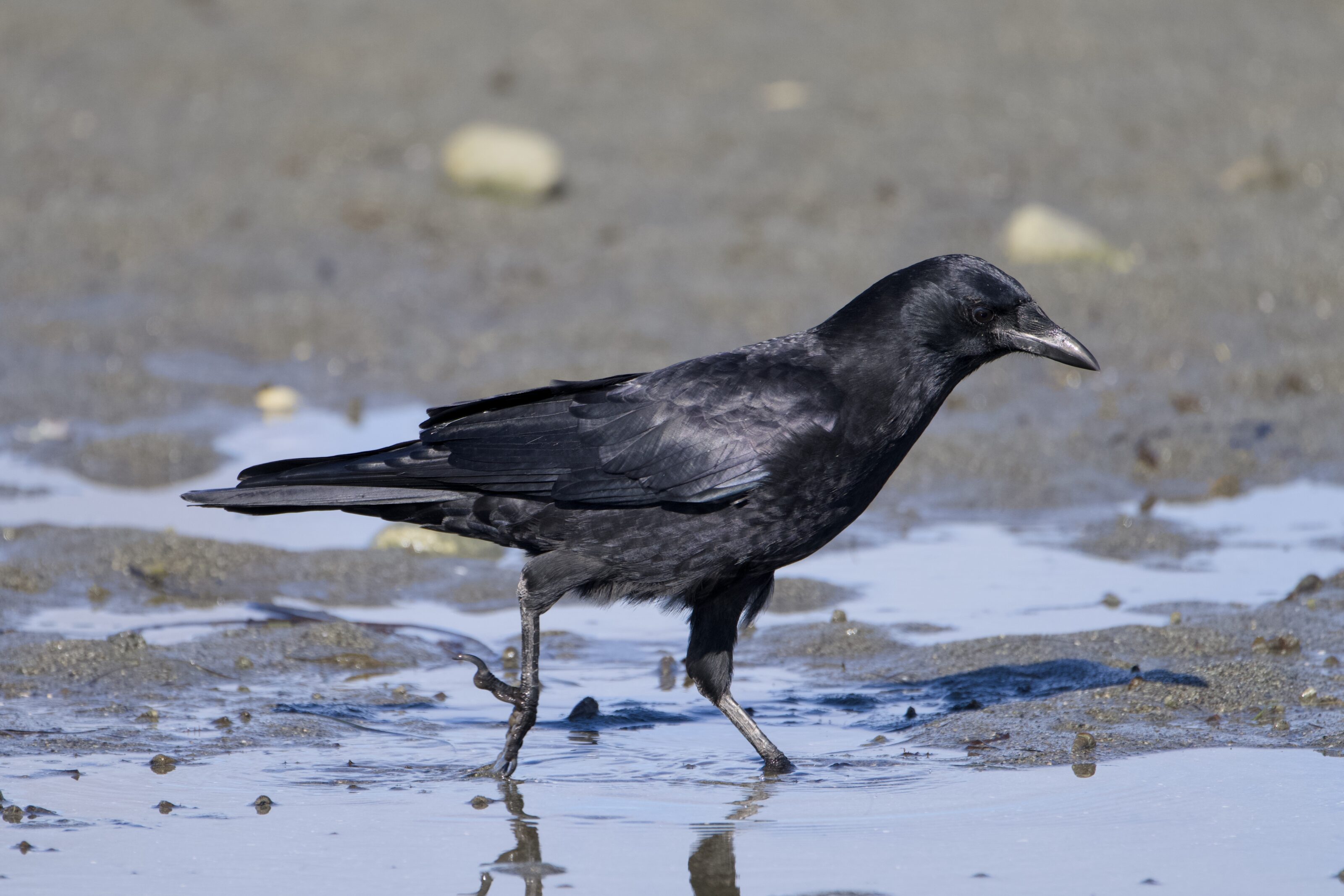
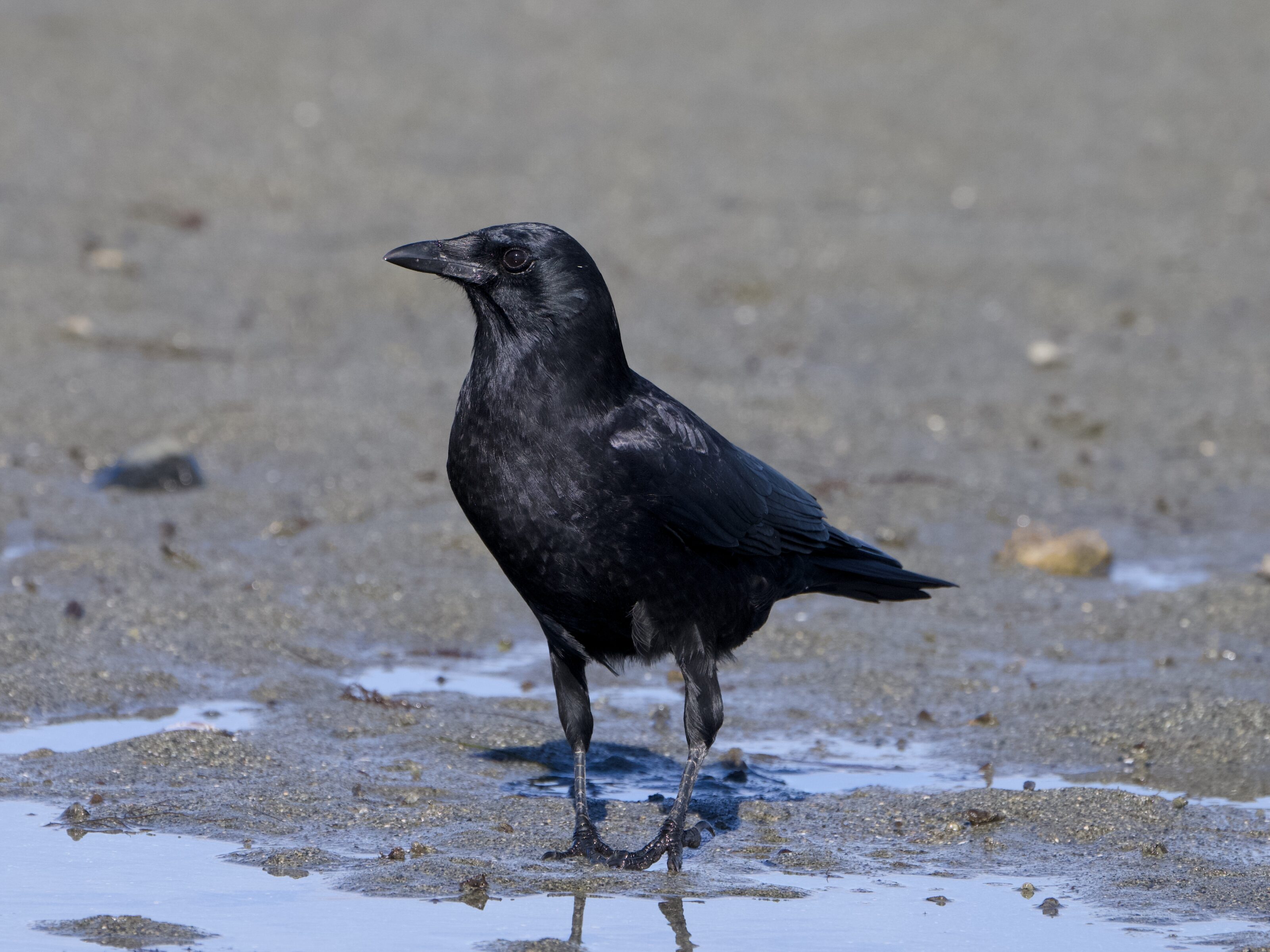
On our way out, we walked past a few blackbirds eating sunflower seeds left by other visitors, and of course I stopped to take photos. I’ve made fun of blackbirds’ (lack of) table manners before, but there was something fascinating about how these guys ate. First, they made sure to remove the husks before scarfing down the yummy insides. And how did they do that? By rolling the seed around their bills and scraping it in what looks like a back-and-forth motion of the upper and lower mandibles against each other. It looks weirdly comical sometimes, but beaks and tongues together can make for pretty dexterous appendages. Neat!
Centennial Beach

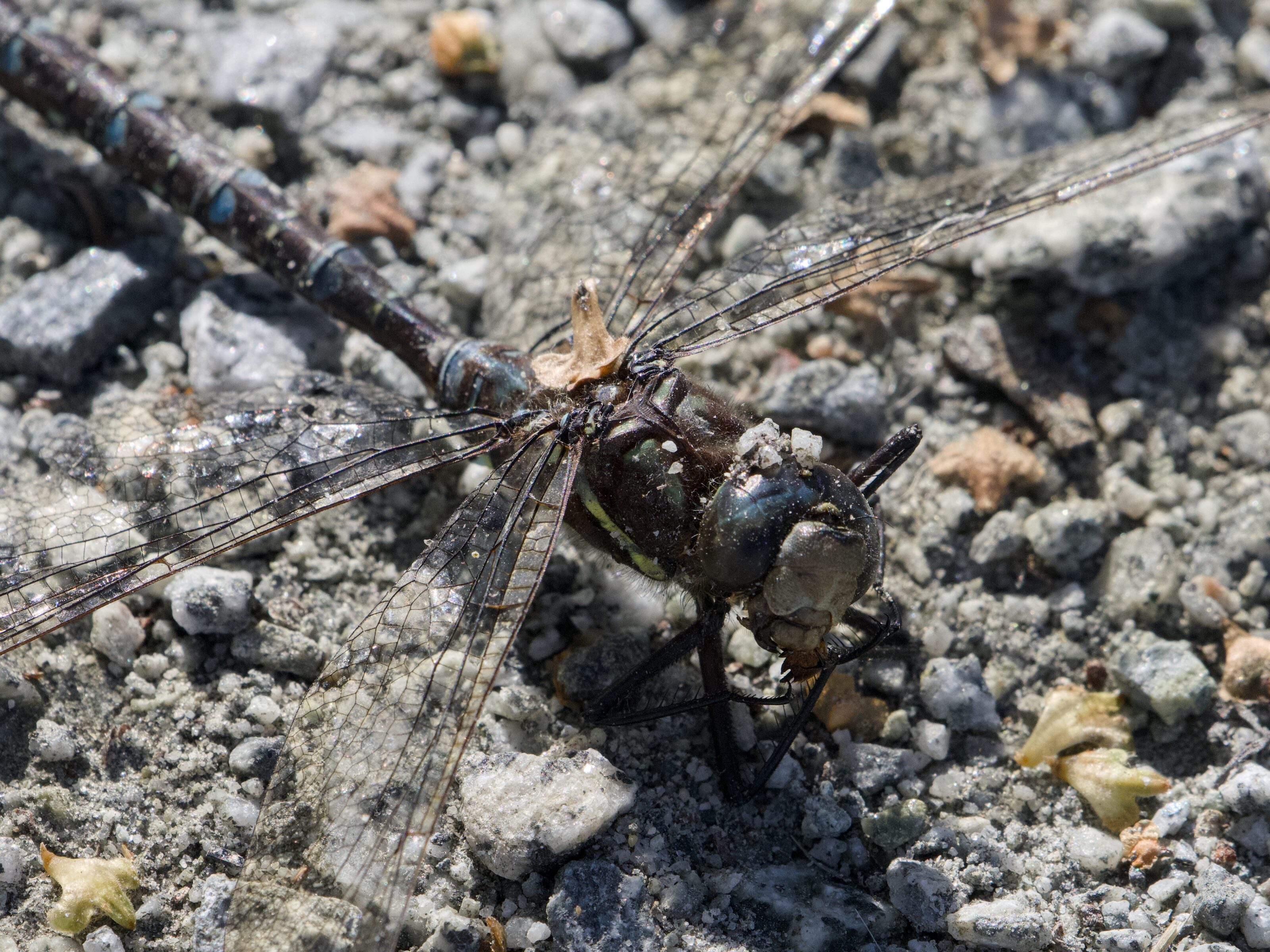
We found a dead dragonfly, just lying there on the trail. A beautiful male blue-eyed darner, I think. At first it just seemed to be resting on the ground, as they occasionally do, but when it didn’t react to our presence in any way, it was clear this was an ex-dragonfly.
What’s less clear is what happened. As far as I can tell the body seemed to still be in one piece, right down to the extremely delicate wings, though with various bits of debris lying on top of them. And it must have happened very recently otherwise some kind of scavenger would have made off with it.
But I guess this is what happens to dragonflies that manage to survive all the dangers and predators that life can throw at it? As I understand it, the nymph may live for years underwater, growing bigger and bigger, but the adult stage lasts for weeks at most. Then maybe it starves from the dwindling number of prey, or succumbs to the cold, or just… runs down.
It’s oddly beautiful, with the pebbles on its head and the tiny leaf(?) on its thorax hitting me like jaunty accessories.
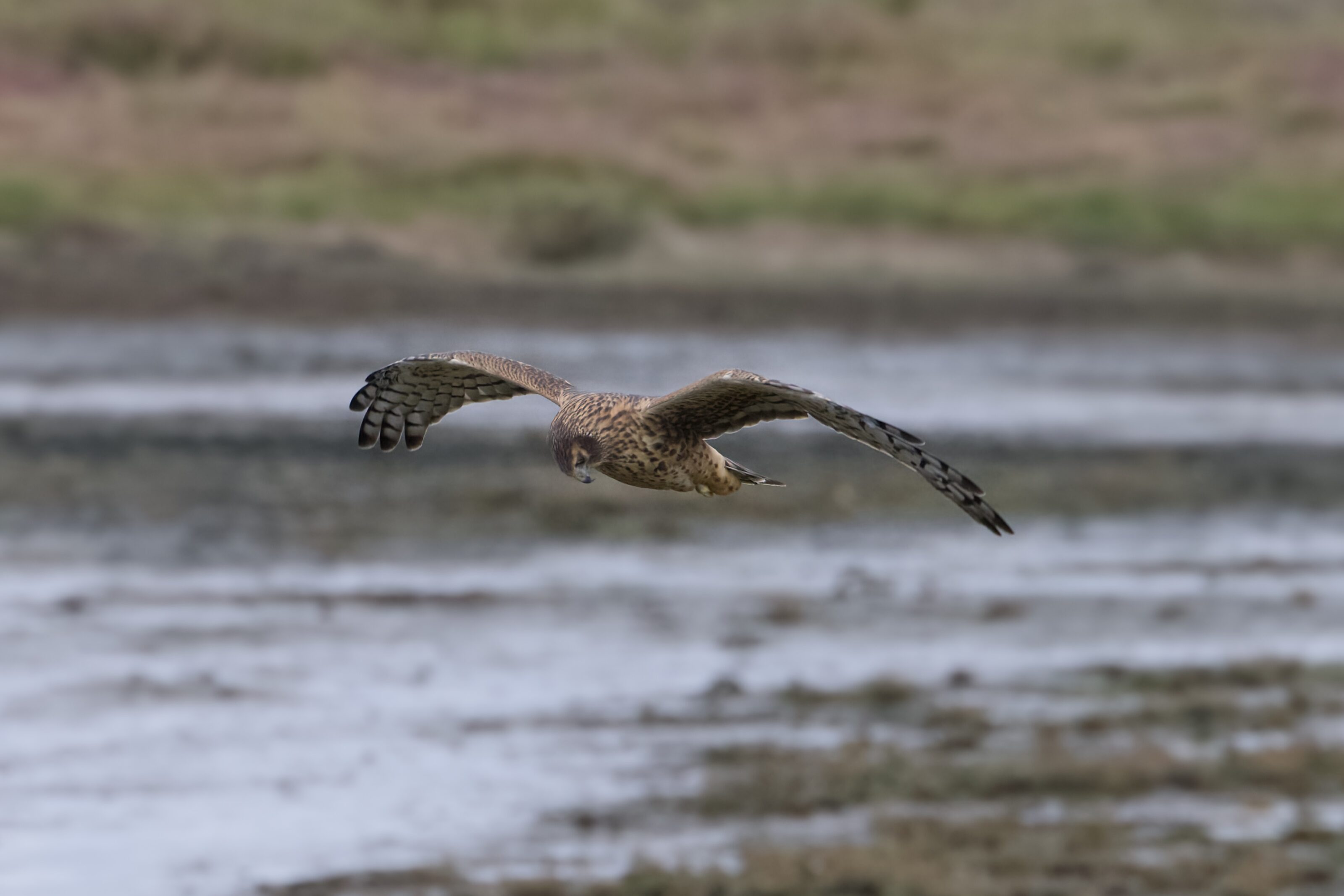
Speaking of predators, though, a Northern Harrier decided to fly low right along the trail, slowing down to scan the ground more carefully. Fortunately we’d been tracking it and had a bit of advance warning, so we got our best ever photos of these lovely and unusual raptors!
The photos